Bolivia boasts an incredible 10,000 varieties of potatoes. Food enthusiasts can find unique culinary experiences in this remarkable country. The landscape stretches from snow-capped Andes mountains to the magnificent Amazon Rainforest, creating a rich gastronomic tapestry shaped by its geography and cultural heritage.
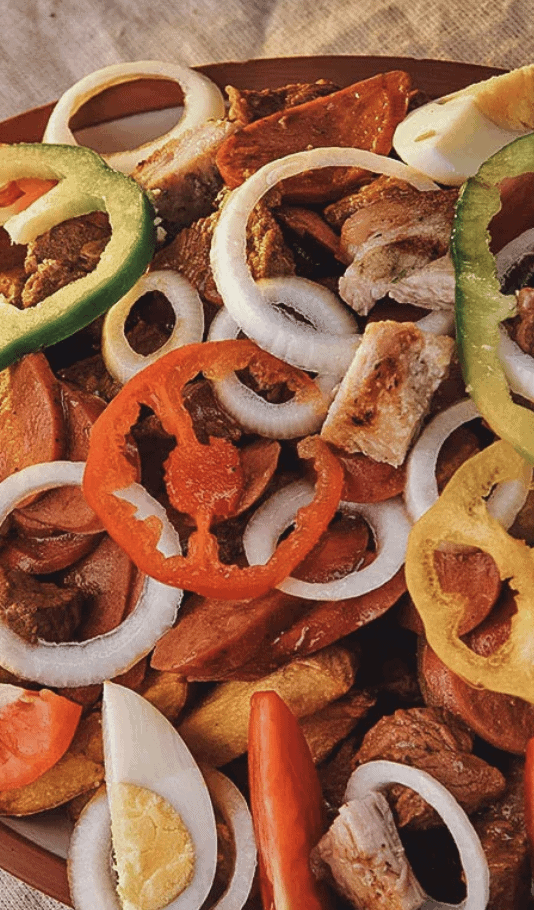
Spanish influences blend with indigenous ingredients to create distinctive Bolivian dishes that change from region to region. Salteñas stand out as Bolivia’s signature dish, found only within its borders. Another local favorite, Pique Macho, combines beef, sausage, boiled eggs, potatoes, onions, and colorful peppers into a hearty feast. The country’s agricultural prowess shows in its position as the world’s leading organic cocoa producer. Bolivia’s soybean production reached nearly 3 million metric tons in 2019. Local diners and visitors alike will notice that every meal comes with “llajua” – a spicy sauce that Bolivians consider essential to their dining experience.
Traditional Bolivian Dishes You Should Know
The sort of thing I love about traditional Bolivian dishes is how they tell a story of rich flavors that geography and cultural influences have shaped. These five iconic dishes represent Bolivian culinary tradition at its finest, from hearty meat platters to delicious savory pastries.
Pique Macho: Bolivia’s ultimate meat platter
Pique Macho has earned legendary status in Bolivia’s culinary world, and people in Cochabamba love it especially. This impressive platter brings together tender beef chunks, sausages, french fries, onions, tomatoes, locoto chili peppers, and hard-boiled eggs. People usually add ketchup, mayonnaise, and mustard as garnish.
A fascinating story tells us this dish came to life when hungry workers showed up at a restaurant right before closing time. The owner threw together whatever ingredients were left and made it extra spicy to help them sober up. “Piquen si son machos” (eat it if you think you’re man enough), the owner said. The name stuck, and now friends gather to share Pique Macho over beer. The dish gets its kick from locoto peppers, which pack 4 to 40 times more heat than jalapeños.
Silpancho: A Cochabamba favorite
Silpancho’s roots trace back to Cochabamba. The dish layers white rice with a thin, breaded beef cutlet, fried potatoes, diced tomatoes, onions, and tops it all with a fried egg. The name comes from “sillp’anchu,” a Quechua word that means “thin and pounded” – exactly how they prepare the meat.
Celia la Fuente Peredo created this hearty meal and received awards for her creation in 2000 and 2010. Silpancho has become such a big part of Cochabamba’s culture that some restaurants serve nothing else. Local restaurants have an interesting way of letting people know when it’s ready – they use an uncovered light outside. If the light’s covered, it means the next batch is still cooking.
Salteñas: The national snack
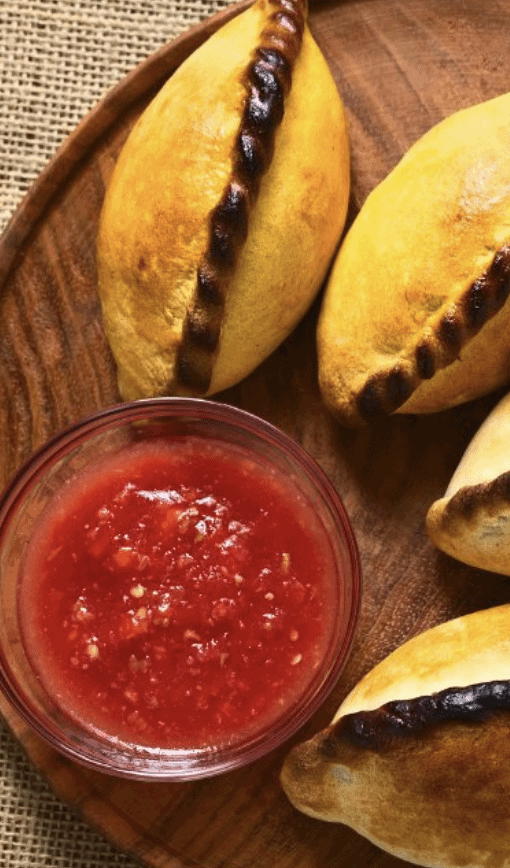
Bolivians take pride in Salteñas as their national dish. These juicy baked empanadas stand out with their football shape and braided top crust. Inside, you’ll find beef or chicken mixed with olives, potatoes, vegetables, hard-boiled egg, raisins, and spices in a slightly sweet and spicy sauce.
The story behind the name “salteña” points to Juana Manuela Gorriti, a woman from Salta, Argentina. She created these pastries during her exile in Bolivia under Juan Manuel de Rosas’ dictatorship. The secret to their signature juiciness lies in the gelatin added to the filling, which melts during baking. People usually enjoy these pastries for breakfast or as a mid-morning snack with coffee or fresh fruit juice.
Sopa de Maní: Creamy peanut soup
Sopa de Maní, which simply means “peanut soup,” comes from Cochabamba. This hearty soup combines meat and vegetables with ground peanuts for thickness. The traditional recipe calls for beef ribs or chicken, and some versions include macaroni or rice. Fresh herbs and french fries make the perfect garnish.
Bolivia’s connection to this soup runs deep – scientists believe peanuts first came from here. Making the soup starts with grinding peanuts into a fine paste and cooking them with onions, garlic, and vegetables. The mixture gets blended until smooth before adding chicken broth. People love to eat their Sopa de Maní with crusty bread and llajua, a spicy Bolivian salsa that features locoto chili peppers.
Fricasé: Spicy pork stew with hominy
Fricasé brings together pork, hominy, chuño (freeze-dried potatoes), onions, garlic, and spices in a traditional Bolivian soup. La Paz residents especially value this flavorful stew during New Year’s celebrations – its spiciness helps party-goers stay awake.
The cooking process takes about 90 minutes to get the meat tender. Cooks add oregano and bread crumbs to thicken the broth. Morning is prime time for Fricasé, and many people swear by it as a hangover cure. A complete serving comes with chuño and mote blanco (hominy), fresh marraqueta (Bolivian baguette), and spicy llajua salsa on the side.
Street Food Gems You Can’t Miss
Bolivia’s lively street food scene tells a story that goes beyond traditional restaurants. Local cuisine comes alive through portable treats that showcase popular food traditions and let visitors taste authentic flavors without breaking the bank.
Anticuchos: Beef heart skewers with spice
The smell of Anticuchos pulls crowds to street vendors’ grills in Bolivian night markets. These skewers feature beef heart chunks marinated and grilled over open flames. Vendors marinate the meat in vinegar, garlic, cumin, and aji pepper until it becomes tender and flavorful, despite its modest organ meat origins.
Anticuchos show off Bolivia’s resourceful cooking traditions where everything gets used. Vendors pair these skewers with boiled potatoes topped with spicy peanut sauce and llajua (Bolivia’s favorite chili sauce). Smoky and tangy flavors make this street food a popular late-night snack in cities across the country.
Papas Rellenas: Stuffed and fried potatoes
Bolivia’s role as the birthplace of potato cultivation makes Papas Rellenas a special part of its street food culture. Golden-fried potato balls hide savory fillings of ground beef, hard-boiled eggs, olives, raisins, and spices. Crispy on the outside and soft inside, they create an amazing mix of textures.
You’ll find these stuffed potatoes with fresh salsa and llajua in markets and plazas throughout Bolivia. People grab them as a quick breakfast or midday snack, which shows how versatile they are in the country’s food scene.
Cuñapé: Cheesy cassava bread
Santa Cruz in eastern Bolivia claims Cuñapé as one of its favorite street snacks. Small, round bread rolls blend cassava flour with cheese to create a gluten-free treat that’s chewy and savory. The outside gets slightly crusty while baking, which perfectly matches its soft, cheesy center.
Fresh Cuñapé comes straight from portable ovens at markets, bus terminals, and street corners all day long. People love these cheese buns with their morning or afternoon coffee. They show how lowland ingredients have shaped Bolivia’s food culture and how simple ingredients can create amazing flavors.
Chicharrón de Llama: A highland specialty
The Andean highlands offer food lovers Chicharrón de Llama, a unique take on the popular Latin American fried pork dish. This specialty uses llama meat instead of pork, reflecting Bolivia’s ancient herding traditions and its adaptation to high-altitude environments.
Vendors slow-cook llama meat pieces with native herbs until tender, then fry them until crispy. The dish comes with mote (boiled corn), chuño (freeze-dried potatoes), and fresh llajua sauce. Though not as common as other street foods, Chicharrón de Llama gives visitors a taste of highland cooking they won’t find anywhere else.
Street food in Bolivia feeds locals and teaches visitors about culture. These portable treats connect today’s Bolivians with their food heritage and show how the country turns simple ingredients into amazing flavors.
Regional Specialties Across Bolivia
Bolivia’s regional cuisine reflects its geographic diversity, with unique specialties from the highlands to the lowlands. Local ingredients and cultural influences shape traditional Bolivian food in each region, creating distinct flavors and dishes.
Majadito: Eastern Bolivia’s rice and meat dish
Santa Cruz’s signature dish majadito stands out as one of the most beloved foods in Bolivia’s lowland regions. This vibrant rice dish traces its roots to pre-Columbian times and combines rice, dried meat (charque), chopped onions, and tomatoes. The dish gets its orange-yellow color from urucú (annatto), a natural coloring agent native to Amazonia.
This hearty dish shows Bolivian cuisine’s practical nature. Local farmers and workers relied on its energy-dense composition to fuel their day. The dish comes served with fried plantains and topped with a sunny-side-up egg, making it perfect any time of day.
Chairo: Highland soup with chuño
The Altiplano region’s chairo soup represents a pre-Colombian tradition built around chuño, a unique freeze-dried potato starch. This rich soup blends beef and lamb with carrots, onions, and corn. The addition of cooked wheat adds substance, while cumin, black pepper, and garlic create its distinctive flavor.
Clay bowls serve this traditional soup with fresh chopped mint on top. Chairo tells the story of highland communities that adapted to harsh farming conditions by mastering potato preservation through freeze-drying.
Humintas: Sweet corn tamales
Tarija’s valleys have made humintas an essential part of their food heritage. These corn treats come from grinding white, creamy corn with a batán (stone hand-mill) and mixing it with anise seeds and cheese. Corn husks wrap this mixture before it’s steamed, baked, or roasted on stones.
Tarija celebrates these traditional treats with an annual Huminta Fair each February. People enjoy humintas with coffee during breakfast or as an afternoon snack, showcasing Bolivia’s deep connection to corn-based foods.
Yuca Sonso: Grilled cassava and cheese
Santa Cruz, Beni, and Pando’s street food scene features yuca sonso (or sonzo de yuca), a beloved snack made from cassava root. This treat combines mashed cassava with local cheese to form small balls that are placed on bamboo skewers and grilled until golden brown. Charcoal grilling gives it a smoky flavor that locals love.
The cassava’s sweet, nutty taste makes it perfect with evening coffee. Yuca sonso’s popularity highlights eastern Bolivia’s rich cassava cultivation and its influence on local food traditions.

Drinks and Desserts That Locals Love
A complete Bolivian culinary experience includes the beverages and sweets that enhance meals and social gatherings across the country. These cherished drinks and desserts highlight Bolivia’s innovative use of local ingredients that reflect centuries-old cultural traditions.
Api con Pastel: Warm corn drink with pastry
Api con pastel is a beloved Bolivian breakfast combination. The traditional morning meal features api morado – a thick, sweet purple corn drink made from purple corn flour, cinnamon, cloves, orange zest, and sugar. Locals pair this warm beverage with pastel con queso, a deep-fried pastry filled with melted cheese and dusted with powdered sugar. Street vendors start selling this popular combination at 5 AM daily. Many people dip their cheese pastry into the sweet drink to create a perfect blend of flavors.
Mocochinchi: Spiced peach drink
Mocochinchi is accessible to more people in Bolivia and you can find it in every region of the country. This cooling drink comes from dehydrated whole peaches simmered with cinnamon sticks, cloves, raisins, and sugar until the liquid develops a rusty color. The recipe requires soaking dried peaches overnight before cooking them with spices and sugar until tender. People serve it very sweet and cold, often with rehydrated peaches in the glass. The drink’s perfect balance of fruity sweetness and warm spices makes it a summer favorite.
Singani Sour: Bolivia’s national cocktail
Bolivia’s national spirit, Singani, creates the foundation for this celebrated cocktail. Producers distill it exclusively from Muscat of Alexandria grapes grown at high altitudes in the Tarija region since the 16th century. The Singani Sour blends 8cl of Singani with 4cl of lime syrup, passion fruit pulp (or lime juice), half an egg white, and crushed ice. Bartenders blend it until frothy and add Angostura bitters or cinnamon powder as garnish. This refined yet straightforward cocktail represents Bolivia’s answer to the prominent Pisco Sour.
Alfajores: Dulce de leche cookies
These treasured sandwich cookies combine two soft cornstarch cookies with a dulce de leche filling (called manjar blanco in Bolivia) and a coating of grated coconut. The cookie’s delicate dough creates a perfect match with the caramelized milk filling’s rich sweetness. Argentina claims these cookies as their national dessert, but alfajores remain a favorite throughout Bolivia. The recipe traces back to the Arab conquest of Spain in the 8th century. Modern versions of these treats fill the shelves of Bolivian bakeries and pastry shops today.

Cultural Insights into Bolivian Cuisine
A deeper look at Bolivia’s food culture helps us understand everything in popular Bolivian cuisine beyond recipes alone.
Meal structure: From desayuno to cena
Bolivians structure their day around five distinct meals. The day starts with a light desayuno (breakfast) – bread with jam or honey paired with coffee or tea. The most important salteña break happens mid-morning when shops pause their business so everyone can enjoy these pastries. Almuerzo (lunch) comes next as a multi-course celebration that leads many businesses to close for hours. People head to dedicated tearooms during té (tea time) in late afternoon. The day ends with cena (dinner) between 8-9 pm, which stays lighter than lunch.
The role of llajua in every meal
Llajua stands as the heart of every Bolivian meal. This beloved chili sauce blends locoto peppers, tomatoes, and quillquiña herbs. You’ll find this condiment on tables across Bolivia. Local custom asks diners to spoon llajua onto their plates instead of dipping food straight into the shared bowl.
Why lunch is the most important meal
Lunch serves as the life-blood of daily life in Bolivia. Families come together for this substantial meal while businesses and shops close from noon until 2:30 pm. Traditional almuerzos start with soup, move to a protein-rich main course with rice and potatoes, and often end with something sweet.
How geography shapes food traditions
Bolivia’s diverse landscape leaves its mark on local cuisine. The highland Altiplano’s cooking relies on potatoes (with all but one of these 200 varieties grown locally) and spices to curb cold weather effects. The eastern lowlands’ cuisine features plenty of fruits, vegetables, fish, and yuca. These geographic differences explain the striking variations in traditional food across regions.
Bolivia’s culinary scene shows evidence of the country’s rich cultural heritage and geographic diversity. This trip through Bolivian cuisine reveals everything from hearty meat platters like Pique Macho to delicate pastries such as Salteñas. Each dish has its own story – from Cochabamba’s Silpancho to eastern specialties like Majadito and Yuca Sonso.
Street food is vital to Bolivian daily life. Anticuchos, Papas Rellenas, and Cuñapé give people affordable and delicious access to local food traditions. These portable treats help modern Bolivians stay connected to their culinary roots.
Regional differences shape what appears on Bolivian plates by a lot. People in the highlands enjoy warming soups like Chairo with freeze-dried potatoes. The eastern lowlands feature cassava and tropical flavors. These geographic variations explain why Bolivian food changes dramatically between regions while keeping its distinctive national character.
Drinks and desserts round out Bolivia’s food experience. People start their day with warming Api con Pastel at breakfast and enjoy refreshing Mocochinchi later. Sweet treats like Alfajores blend native ingredients with colonial influences.
Bolivia’s food culture includes important meal structures and social customs. Lunch (almuerzo) stands as the day’s main meal. Llajua sauce appears everywhere, and people eat five distinct meals daily. These habits show how deeply food weaves into Bolivian life.
Bolivian cuisine ended up being one of South America’s hidden culinary gems. Native ingredients mix with colonial influences and regional adaptations to create a food culture that stays traditional yet diverse. People who try these flavors will find that Bolivian food offers more than just meals – it connects them to this extraordinary country’s land and people.
Here are some FAQs about popular food in Bolivia:
What is Bolivia’s most famous dish?
Salteñas are arguably the most popular food in Bolivia and its most famous dish. These baked pastries are a type of empanada filled with a sweet and savory stew of meat, potatoes, peas, and olives, making them a cornerstone of bolivia popular food.
What is a typical Bolivian breakfast?
A typical Bolivian breakfast is often a simple yet hearty start to the day. People commonly enjoy buñuelos, which are fried cheese fritters, alongside a warm api, a thick and sweet corn-based beverage, showcasing another facet of popular food in bolivia.
What do people eat for lunch in Bolivia?
Lunch is the main meal of the day in Bolivia, often featuring a hearty soup followed by a substantial second course. A common plate is silpancho, which consists of a thin, breaded beef cutlet served over rice with boiled potatoes and a fried egg, representing a common bolivia most popular food.
What is Bolivia most famous for?
Bolivia is most famous for its stunning and diverse landscapes, including the vast Salar de Uyuni salt flats. The country is also renowned for its rich indigenous cultures and traditions, which are deeply reflected in its bolivia popular food and vibrant festivals.
Is bolivian food spicy?
Bolivian food is generally not very spicy, but heat is often provided on the side. Locals frequently use llajwa, a fresh, uncooked salsa made with locoto peppers, which allows individuals to add their desired level of spiciness to many popular food in bolivia dishes.
Why is McDonald’s not in Bolivia?
McDonald’s is not in Bolivia because the chain failed to compete with the strong, established culture of local cuisine and street food. The Bolivian market preferred its own bolivia most popular food, such as salteñas and anticuchos, leading to the fast-food giant’s exit in 2002.
What is a traditional drink in Bolivia?
A traditional and iconic drink in Bolivia is singani, a clear brandy distilled from white Muscat of Alexandria grapes. Another beloved non-alcoholic choice is api, a warm and thick beverage made from purple or white corn, often enjoyed with pastries.
What is the dining etiquette in Bolivia?
Dining etiquette in Bolivia involves waiting for the host to indicate where you should sit before starting a meal. It is also considered polite to keep your hands visible on the table and to say “buen provecho” to everyone when you arrive or leave the table.
What is tradition traditional food?
The question seems to ask about traditional food in general. Traditional food refers to the recipes and culinary practices that are passed down through generations within a culture. In the context of Bolivia, this includes what is the most popular food in bolivia, like salteñas, which are deeply rooted in national identity.