Argentina’s love for meat is evident in the numbers – its people eat more steak than anyone else globally! The South American country actually has more cattle than human inhabitants, which results in abundant high-quality beef that defines their food identity.
A closer look at traditional Argentinian food reveals that meals mean much more than just eating – each dish carries its own story and cultural significance. Social gatherings in Argentina revolve around food and the dining culture values taking time to appreciate every meal. This mindset reflects in a common local saying: “El que sabe comer, sabe esperar” – he who knows how to eat, knows how to wait.
This Foodie Flashpacker guide takes you through authentic Argentinian dishes that locals love – from their famous asado (barbecue) to lesser-known regional specialties. You’ll also learn about unique food traditions like the late afternoon merienda and the monthly ñoquis ritual. These customs offer a glimpse into Argentina’s real food culture that most tourists rarely experience.
The most iconic Argentinian dishes locals still love
Argentinian food is the life-blood of the country’s cultural identity, going well beyond its stunning landscapes. The locals cherish several iconic dishes that are the foundations of their daily meals, and their love for meat is just the beginning.
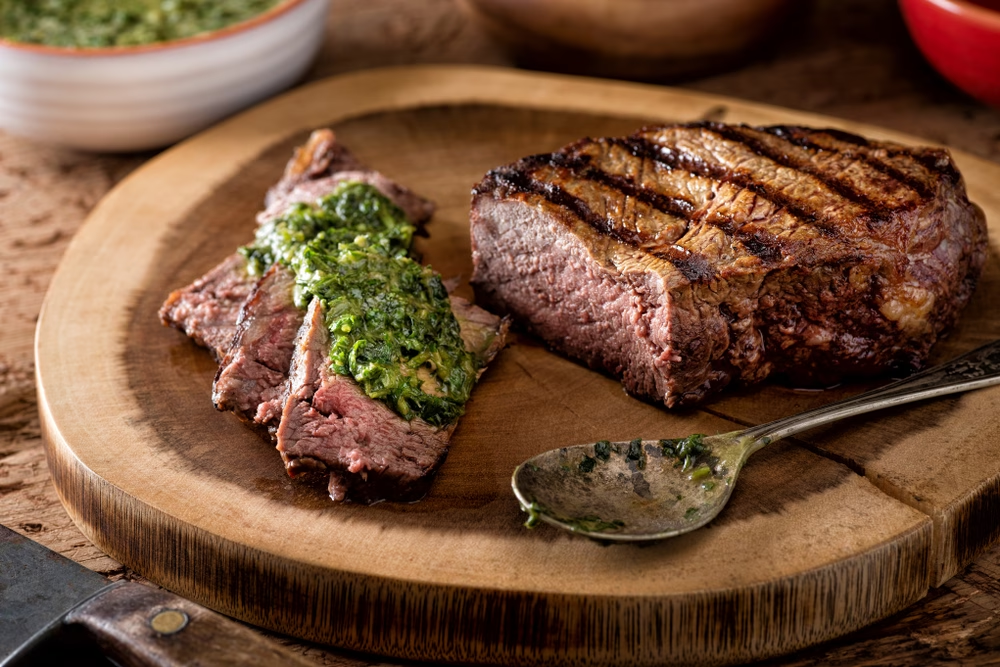
Asado: more than just grilled meat!
Asado stands as Argentina’s most cherished tradition that brings together social connections and culinary mastery. This ritual started in the mid-nineteenth century when gauchos cooked wild cattle over open flames in La Pampa’s plains. A genuine asado has six vital elements: fire, grill, meat, sides, wine, and most importantly, people.
The asador (grill master) needs both patience and expertise. They start by setting up a fire with red-hot coals and firewood, never using lighter fluid as it would affect the meat’s taste. The cooking happens on a simple iron grill called a parrilla that lets them adjust the height to control temperature.
The meat at a true asado comes in a specific sequence. People usually plan for one pound of meat per person. Beef sits at the heart of the meal – from ribs to sirloin to flank steak – with sausages, chicken, and sometimes sweetbreads. The meat only needs coarse BBQ salt to let its natural flavors take center stage.
Empanadas and their regional variations across Argentina
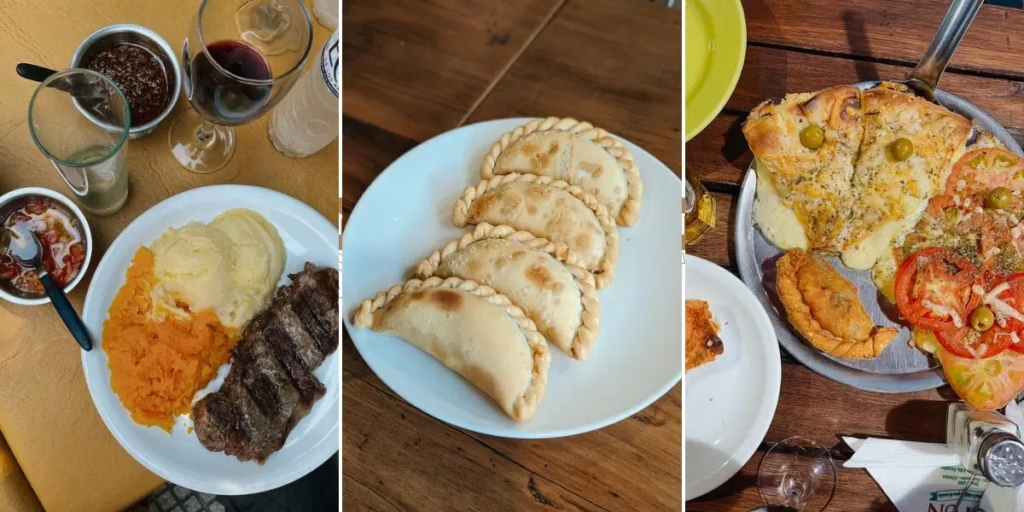
These tasty stuffed pastries showcase Argentina’s regional diversity through different cooking styles. Empanadas are the foundations of traditional Argentinian food, though they’re not unique to Argentina. Each province takes pride in its distinct style:
- Tucumán: The empanadas here are known for generous amounts of shredded beef with a slightly sharp taste. The National Empanada Festival celebrates these delicacies annually since 1979.
- Salta: These smaller, spicier versions come filled with finely chopped beef, potatoes, and bell peppers, with cumin adding extra flavor.
- Jujuy: Bold fillings define these empanadas, from chicken and goat to llama meat, often mixed with quinoa and peas.
- Córdoba: Sweet meets savory here with ground beef, potatoes, olives, raisins and white sugar creating a unique blend.
- Patagonia: Coastal regions favor seafood fillings, with octopus in Rio Negro and spider crab in Tierra del Fuego.
Milanesa: the everyday comfort food
Milanesa, Argentina’s take on schnitzel, appears on menus throughout the country. This popular Argentinian food consists of thin meat slices (usually beef or chicken) with light breading and seasoning, pan-fried or baked until golden. Italian immigrants brought this dish, which evolved into one of the most beloved Argentinian traditional food items.
Argentines consider milanesa their ultimate comfort food and serve it weekly at home. A classic plate comes with fries, mashed potatoes or salad. The milanesa napolitana adds tomato sauce, ham, cheese, and oregano on top – treating the meat like a pizza crust.
Provoleta: the grilled cheese starter
Every asado needs provoleta, a distinctly authentic Argentinian food with Italian roots. This appetizer features golden-brown provolone cheese that stays gooey inside. The cheese, cut about an inch thick and seasoned with oregano and sometimes chili flakes, cooks on the parrilla until it reaches the perfect melting point.
Chefs use a special tool called a provoletera – a small cast-iron skillet made specifically for grilling cheese. The finished provoleta tastes best with chimichurri sauce and crusty bread, setting the stage for the meat courses ahead.
Argentinian street food locals actually eat every week
Buenos Aires’s bustling streets showcase Argentina’s vibrant street food scene. Local people gather at food carts and casual eateries. These authentic culinary spots give you a taste of everyday Argentinian food culture beyond traditional restaurants.
Choripán: the go-to sandwich
Choripán stands as the ultimate Argentinian street food. People affectionately call it “chori” – a simple yet delicious combination of chorizo sausage (“chori”) and bread (“pan”). The signature sandwich features a perfectly grilled sausage made from 70% beef and 30% pork.
You’ll find people enjoying choripán at every social event – soccer matches, protests, weekend fairs, and casual park outings. Expert vendors know to grill the chorizo whole instead of butterflying it right away. This technique keeps all the juicy flavors locked inside the sausage.
The grilled chorizo gets butterflied and nestled in crusty bread. Vendors top it with generous portions of chimichurri sauce and salsa criolla – a fresh mix of chopped tomatoes and onions. Costanera Sur near Jorge Newbery Airport serves some of the city’s best versions of this iconic sandwich.
Lomito and bondiola: steak and pork on the go
The street food scene features two other meat-focused sandwiches besides choripán. The lomito has earned its “King of Fast Food Snacks” title, commanding higher prices than its humble cousin. This luxurious creation starts with flash-grilled beef steak. Vendors pile it high with tomatoes, lettuce, onion, chimichurri, mayonnaise, fried egg, ham, and melted cheese.
The bondiola (or bondipan) celebrates Argentina’s love for pork. Succulent roasted pork shoulder slices rest on fresh bread with a bright splash of lemon juice. Customers choose between a simple version with chimichurri or salsa criolla, or go “completo” with extra ham, cheese, and a fried egg.
Costanera Sur in Puerto Madero serves both sandwiches, especially near the ecological reserve. Vendors create makeshift dining areas with plastic tables and chairs. These sandwiches represent affordable treats that working-class Argentinians love.
Pizza al molde and fainá: Buenos Aires classics
Argentinian cuisine shows strong Italian roots, especially in its unique pizza style. Pizza al molde (“in the pan”) features a thick, bready crust about an inch high with light sauce and plenty of mozzarella cheese. The special dough goes through three proofings to create a springy interior and crispy bottom.
Buenos Aires locals (Porteños) love pairing their pizza with fainá – a chickpea flour pancake from Genovese immigrants. This combo, nicknamed “pizza a caballo” (horseback pizza), started in working-class Italian immigrant neighborhoods during the early 1900s.
People place a slice of fainá right on top of their pizza. The creamy fainá perfectly balances the tomato sauce’s tang. Popular spots along Avenida Corrientes serve this classic duo, sometimes with sweet muscat wine. This combination became so iconic that the Buenos Aires blues band Memphis La Blusera wrote a song about it.
These street foods show how authentic Argentinian food evolves through immigrant influences. Yet it keeps its distinctive local character that defines the country’s everyday eating culture.
Regional dishes you won’t find in the tourist guides!
Argentina’s culinary landscape matches its geographical diversity once you venture beyond its major cities. Tourists rush to Buenos Aires steakhouses, but the real authentic Argentinian food thrives in regional kitchens. Local ingredients and time-honored recipes create dishes you won’t find in any guidebook.
Humita en chala: a northern corn delight
The northwestern provinces of Salta and Tucumán celebrate the indigenous reverence for corn through their traditional Argentinian food. Humita en chala combines sweetcorn paste with onions, spices, and sometimes cheese. The mixture gets wrapped in corn husks and steamed perfectly. This pre-Columbian dish reflects the culinary wisdom of indigenous peoples who became skilled at corn cultivation long before Europeans arrived. The Quechua word “jumint’a” gave this dish its name, showcasing its Andean heritage. The subtle, sweet-savory delicacy serves as both an appetizer and main dish, depending on where you eat it.
Locro and carbonada: winter stews with history
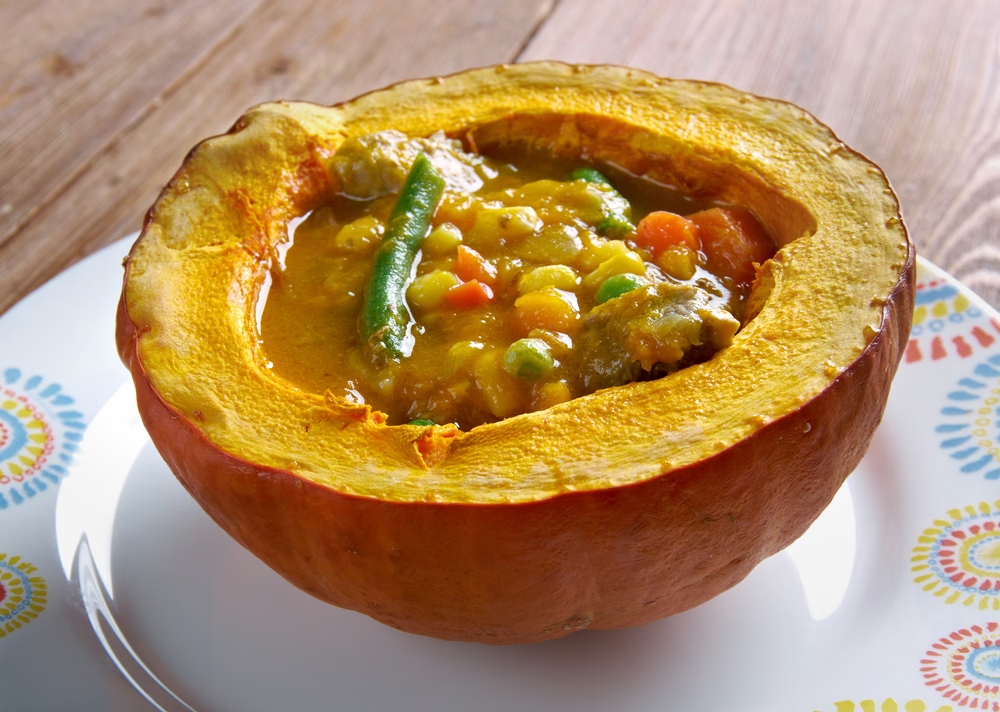
Hearty stews become the stars of Argentina’s interior provinces during cold weather. Locro, a thick white corn, bean, and pumpkin soup enriched with various meats, stands as the ultimate comfort food from Argentina. This national treasure holds special meaning during patriotic holidays like May 25th (Revolution Day). Carbonada brings a fruity twist to the traditional beef stew by adding peaches, apples, and pears alongside vegetables. These dishes tell a story of cultural fusion where indigenous ingredients meet Spanish cooking techniques to create something uniquely Argentine.
Patagonian lamb and trout: southern specialties
Patagonia’s Argentinian cuisine takes a dramatic turn from the north. Lamb rules these lands instead of beef. Locals prepare it al asador (whole on a cross-shaped spit) and slow-roast it for hours over open flames. Crystal-clear rivers provide magnificent trout, which needs just lemon, garlic, and herbs to shine. These foods in Argentina’s southern territories reflect both the harsh climate and Welsh settlers’ influence. These pioneers arrived in the 1800s and brought sheep farming traditions that altered the region’s culinary identity.
Llama meat in Jujuy: a highland tradition
Elevation shapes everything in Jujuy, Argentina’s northernmost province bordering Bolivia—including the food of Argentina. Llama meat appears in various Argentinian food recipes at altitudes above 3,000 meters. People prepare it chargrilled, in stews, or as charqui (jerky), using techniques that Andean civilizations developed thousands of years ago. Ancient Andean grains like quinoa and native potatoes complement these dishes, offering what might be the purest connection to pre-Hispanic argentinian traditional food still eaten today.
Sweet treats and drinks that define local taste
Argentina’s sweet treats and unique drinks tell a story that goes way beyond its famous savory dishes. These popular Argentinian food items create deep cultural bonds when people share them with friends and family.
Dulce de leche: the national obsession
This sweet caramel spread stands out as Argentina’s gift to global food culture. People make it by cooking milk and sugar slowly until it turns into a thick, golden-brown delight that you’ll find in almost every Argentine home. A simple mix of milk, sugar, vanilla, and a dash of baking soda creates this treat. Locals love to spread it on their morning toast, stuff it in pastries, pour it over ice cream, or just eat it straight from the jar.
Alfajores: more than just a cookie
These treats rank as the most loved traditional Argentinian food in the sweet category. Two soft cookies hug a thick layer of dulce de leche between them. Bakers often add the final touch with a dusting of powdered sugar or a roll in coconut flakes. The classic version, alfajores de maicena, uses cornstarch to create cookies that simply melt in your mouth. The numbers tell an amazing story – Argentines eat about 900 million alfajores each year, and this sweet business brings in around USD 7 billion.
Mate: the social drink of Argentina
Yerba mate means much more to Argentines than just another drink – it’s their national beverage and brings people together. This energizing drink comes from dried yerba mate leaves, served in a special gourd called mate, and people sip it through a metal straw known as bombilla. The ritual needs a special person called a cebador who makes and shares the same gourd with friends in a circle. You should never touch the bombilla or mess with the mate – that’s the cebador’s job.
Fernet and Coke: the unexpected favorite
Argentina drinks more than 75% of all fernet made worldwide. This bitter Italian liqueur mixed with Coca-Cola creates a drink called fernandito or fernando that people love, especially in Córdoba province. College students in Córdoba started this trend back in the 1980s, and it caught on across the country. The mix has become so popular that Argentines drink four times more Coca-Cola than the world average. The drink made history in 2020 when the International Bartenders Association named fernet con coca as an official cocktail.
Cultural food habits and hidden traditions
Learning about argentinian food goes beyond sampling dishes. The cultural rituals around eating show how food weaves into Argentine daily life and celebrations.
Merienda: the late afternoon ritual
Argentines rarely eat dinner before 9 PM. The merienda (afternoon tea) serves as a vital bridge in their daily schedule. People gather around 5 or 6 PM to keep hunger at bay until evening. This late-afternoon custom has roots in southern European traditions that Spanish and Italian immigrants brought in the late 19th century.
A typical merienda includes mate, coffee, or milk. These drinks come with toasted bread, pastries (facturas), croissant-like medialunas, or crackers (bizcochitos de grasa) topped with dulce de leche. This cherished daily tradition holds a special place in many Argentines’ childhood memories. Even football icon Lionel Messi keeps this ritual alive.
Ñoquis del 29: the end-of-month tradition
A unique traditional argentinian food custom happens on the 29th of each month: Ñoquis del 29 (Gnocchi Day). Italian immigrants started this practice. They got paid on the first of each month and had only potatoes and flour left by month’s end. Families now come together to make and enjoy these filling potato dumplings during tight financial times.
The custom has its superstitions. People put money under their plates while eating ñoquis. They believe this brings good fortune for the next month. Some keep the money as a lucky charm, while others give it to charity.
Argentinian Christmas food: what families really eat
Argentinian christmas food shows an interesting contrast. Holiday meals happen during summer heat because of the country’s southern location. Yet people stick to heavy European traditions. A festive table usually includes:
- Whole grilled suckling pig that takes 5-7 hours to cook, served with chimichurri
- Vitel toné – thinly sliced veal with tuna-anchovy sauce
- Russian potato salad and various cold appetizers
Families toast at midnight with sparkling drinks. Sweet treats round out the celebration with pan dulce (panettone), nougat, pralines, and mantecol (peanut butter paste). This creates a distinctly Argentine celebration that blends European heritage with South American summer.
As you can see, Argentina is a food lover’s paradise that goes way beyond the famous steakhouses tourists usually visit. Our guide took you through authentic Argentinian food and shows how meals bring people together and connect them to their rich heritage.
The country’s food traditions tell fascinating stories of indigenous wisdom, European immigration, and regional adaptation. The preparation rituals for asado, empanadas, and mate show how Argentinians value patience and craftsmanship in their cooking.
Real food experiences await travelers who step away from tourist menus. You’ll find unique flavors in regional specialties like humita en chala in the north and Patagonian lamb in the south. Taking part in food rituals like merienda or Ñoquis del 29 helps you connect with everyday Argentinian life.
Argentine food culture teaches a valuable lesson about slowing down. People here take their time with meals, share mate with friends, and gather for weekend asados. This laid-back approach to dining is different from the rushed eating habits you see in other places. A true Argentine dining experience needs more than just an adventurous palate – it needs you to embrace their relaxed sense of time.
The Argentine saying “El que sabe comer, sabe esperar” means those who know how to eat know how to wait. This wisdom applies to travelers too. The best food experiences in Argentina come to those who explore beyond the obvious, honor local traditions, and appreciate each bite the way locals have done for generations.
Here are some additional FAQs about Argentinian food:
What is typical Argentinian food?
Typical argentinian food is heavily centered around beef, with asado (barbecue) being a cornerstone of the cuisine. Other common dishes include empanadas, milanesas, and locro, which are all considered authentic argentinian food and reflect the country’s European immigrant influences.
What is the national dish of Argentina?
While asado is often considered the national dish, locro—a hearty stew made with corn, beans, meat, and vegetables—is also a strong contender. Both are deeply embedded in the culture and represent the best argentinian food traditions.
What is a common side dish in Argentina?
A common side dish in Argentina is ensalada mixta, a simple salad of lettuce, tomato, and onion. Chimichurri sauce is also ubiquitous, served alongside grilled meats as a flavorful accompaniment in traditional argentinian food.
What do locals eat in Argentina?
Locals in Argentina regularly enjoy asado, empanadas, and pasta dishes like ñoquis (gnocchi). These items form the backbone of daily eating habits and are central to what is argentinian food culture all about.
What is the most eaten food in Argentina?
Beef is undoubtedly the most eaten food in Argentina, with the country having one of the highest rates of consumption per capita worldwide. This makes asado and various steak preparations the most popular argentinian food items on a daily basis.
What is the main meal of the day in Argentina?
The main meal of the day in Argentina is dinner, which is typically eaten late, often after 9 PM. This meal frequently features substantial dishes like asado or pasta, which are central to argentinian traditional food practices.
What is the typical breakfast in Argentina?
A typical breakfast in Argentina is light, usually consisting of café con leche and medialunas (sweet croissants). This simple morning meal contrasts with the larger lunches and dinners that define popular argentinian food.
Is Argentinian food spicy?
Argentinian food is generally not spicy; it focuses more on the natural flavors of high-quality ingredients like beef. Chimichurri provides herbaceousness but not heat, making it a hallmark of famous argentinian food without spiciness.
What is the most popular street food in Argentina?
The most popular street food in Argentina is the choripán, a sandwich made with grilled chorizo and chimichurri on crusty bread. This simple yet delicious item is a staple of argentinian street food culture.
What do Argentinians serve with steak?
Argentinians typically serve steak with simple sides like fried potatoes or a basic mixed salad. Chimichurri sauce is always present on the table, completing the authentic argentinian food experience.
What is Argentinian pizza like?
Argentinian pizza is characterized by a thick, fluffy crust and an abundance of cheese, often mozzarella. It is a popular argentinian food that reflects the strong Italian influence on the country’s cuisine.