Puerto Rican food tells a story that goes beyond mere sustenance. It captures a rich cultural heritage shaped by centuries of different influences. The heart of Puerto Rican cuisine, cocina criolla, weaves together Taíno, Spanish, and African culinary traditions to create its unique and flavorful identity. This beloved food stands at the center of every cultural celebration and family gathering on the island.
Puerto Ricans take immense pride in their cuisine because it reflects their resilience and heritage. Life in Puerto Rico revolves around amazing food that feeds both body and soul. The national dish of arroz con gandules paired with lechón asado brings people together, while mofongo showcases the artistry of deep-fried green plantains mashed with garlic and pork crackling. These dishes create complex flavors through their distinctive blend of ingredients and spices.
The magic of Puerto Rico’s traditional cooking lies in sofrito—a savory base that combines tomatoes, peppers, garlic, onion, olive oil, bay leaf, and aromatic spices. This mixture creates the foundation for countless Puerto Rican dishes and shows how simple ingredients become extraordinary meals. Puerto Rican food culture holds a wealth of flavors that make this island’s cuisine truly remarkable.
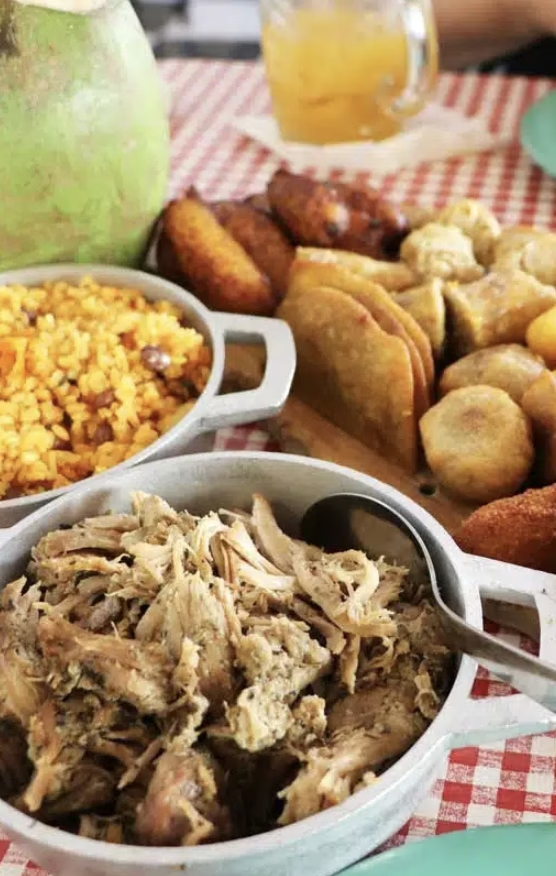
The Roots of Puerto Rican Cuisine
Puerto Rico’s culinary heritage emerges from a blend of three distinct cultures that shaped the island’s story. The indigenous Taíno people lived on corn, tropical fruits, and seafood before Columbus landed in 1493. These first inhabitants laid the foundation of Puerto Rico’s food identity through ingredients like cassava (yuca), yautía (tannier), sweet potatoes (batatas), peppers, beans, and culantro—an herb that tastes as with cilantro.
Taíno, Spanish, and African influences
Spanish colonizers changed the island’s food map by bringing beef, pork, rice, wheat, and olive oil. The Spanish’s love for meats—especially pork—became a symbol of abundance in Puerto Rican cuisine. Lechón (roast pork) grew so popular that people now call it Puerto Rico’s national dish.
A vital influence arrived with African slaves in the 16th century. These enslaved people brought plantains, bananas, yams, pigeon peas (gandules), and possibly rice. African cooking methods, especially deep-frying, are the foundations of Puerto Rican cuisine. Mofongo—a signature dish of mashed fried plantains with garlic and pork crackling—came from African influences, along with favorites like bacalaítos, pasteles, and funche.
This cultural mixing created what food historian Cruz Miguel Ortíz Cuadra calls “a mongrel and mulatto food”—evidence of Puerto Rico’s rich heritage.
What is cocina criolla?
Cocina criolla means “Creole cooking” and represents traditional Puerto Rican cuisine’s heart. Unlike Louisiana’s Creole cuisine, Puerto Rico’s term “criollo” refers to Spanish Americans of European descent. European colonists developed this culinary style by adapting their recipes with Caribbean ingredients and cooking methods.
Aromatic foundations define cocina criolla’s essence. Puerto Rican kitchens fill with smells from adobo and sofrito—special herb and spice blends that create distinctive flavors and colors. Sofrito combines tomatoes, peppers, garlic, onion, olive oil, and bay leaf. Recaíto, another key flavoring from Spanish colonial times, creates what author Von Diaz calls “a uniquely Puerto Rican flavor” that’s instantly recognizable “both in your mouth and on the nose”.
Why food is central to Puerto Rican culture
Puerto Ricans see food as more than sustenance—it embodies family, community, and island identity. Christmas celebrations highlight this cultural bond, with traditional foods joining aguinaldos and parrandas (Puerto Rico’s version of carol singing).
Cocina criolla became especially important at the time Puerto Rican identity faced pressure. Carmen Aboy Valldejuli’s classic cookbook “Cocina Criolla” from the 1950s gave Puerto Rico “a sense of identity during a time where the United States tried its best to white wash it into submission”. This cookbook helped preserve cultural heritage and gave migrating families “a slice of home and culture, when arriving in the United States”.
Food historian Von Diaz captures this connection in her work: “Puerto Rican food is my lifeline to the island and the way I stay connected that is fundamental to who I am”. This feeling appeals to generations of Puerto Ricans on the island and throughout the diaspora, where traditional dishes connect them to their roots and cultural identity.
Appetizers and Street Snacks You Shouldn’t Miss
Puerto Rico’s street food scene runs on the energy of local vendors. You’ll find food kiosks (kioskos) and street carts all over the island. These spots serve up striking arrays of snacks that pack traditional Puerto Rican flavors into perfect bite-sized portions.
Tostones vs. Amarillos
Many first-time visitors mix up these two popular plantain dishes. Tostones are green plantain slices fried twice – first as chunks, then smashed into disks and fried again until they turn golden and crispy. People usually eat them with garlic sauce (mojito de ajo) or ketchup. These crunchy treats hit the spot every time.
Amarillos (sweet plantains) come from the same fruit but at a different ripeness stage. Vendors make them from very ripe plantains with black skin. A single frying creates a caramelized outside and soft, sweet inside. These dishes show how Puerto Rican cooking turns simple ingredients into amazing flavors.
Alcapurrias and Bacalaítos
Puerto Rico’s food culture treasures its frituras (fritters). Alcapurrias start with a dough of grated yautía (taro root) and green plantains. Cooks stuff this with picadillo (seasoned ground beef) or crab meat and deep-fry it until perfect. These torpedo-shaped snacks have a crispy shell that reveals a tasty filling.
Bacalaítos are thin, crispy codfish fritters with sofrito, oregano, and aromatic spices. These fritters started as a way to make imported salted codfish last longer – a reminder of Spanish colonial times. Beach vendors still call out “¡Bacalaítos calientes!” to draw hungry swimmers at coastal spots.
Empanadillas and Arepas
Empanadillas stand apart from South American empanadas. These golden half-moon pastries have flaky shells filled with seasoned meat – usually ground beef, chicken, or crab. Street vendors offer several filling choices, and you can even find pizza-style versions loaded with cheese and tomato sauce.
Puerto Rican arepas are nothing like their Colombian and Venezuelan cousins. Instead of corn-based sandwiches, they’re fluffy bread fritters made with wheat flour and coconut milk, sometimes with grated coconut added. Seafood versions stuffed with salt cod or shrimp are local favorites along the coast.
Where to find the best frituras
Piñones, just east of San Juan, serves up the most authentic street food experience. Family-owned stands line the beach, serving every type of fritura you can imagine. Many use recipes handed down through generations.
Great food stands pop up in every Puerto Rican town. Luquillo’s famous kioskos pack in lots of food vendors, while Guánica in the southwest makes some of the island’s best empanadillas. Local crowds are your best guide to quality street food spots.
The best flavors hide away from tourist spots. Small stands tucked into neighborhood corners serve up pure Puerto Rican street food magic without any tourist trappings.
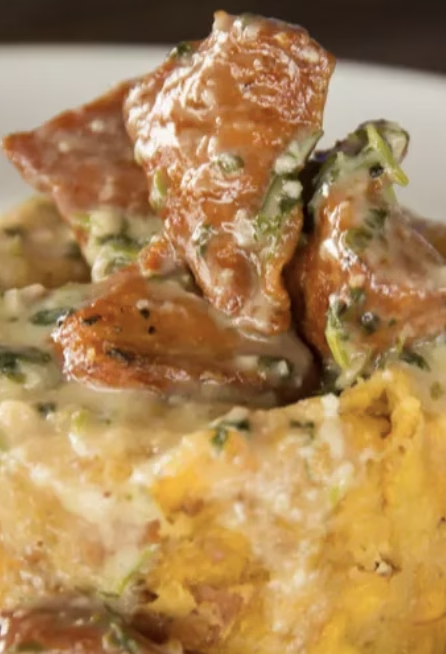
Main Dishes That Define Puerto Rican Food
Puerto Rican signature dishes are the life-blood of the island’s gastronomy. These recipes showcase complex flavors and time-tested cooking techniques that are the foundations of Puerto Rico’s food culture. Family gatherings, celebrations, and holiday feasts would be incomplete without these dishes.
Mofongo and its many variations
Mofongo stands out as the most iconic Puerto Rican dish that captures the island’s multicultural heritage. Spanish colonizers brought slaves of African descent to Puerto Rico, and they created this dish from fufu, a West African dish made by pounding tubers into paste. The classic recipe needs deep-fried green plantains mashed with garlic, olive oil, and pork rinds or bacon in a wooden mortar and pestle called a pilón.
The dish has evolved into creative variations over time. Mofongo relleno comes packed with shrimp, chicken, beef, or vegetables. The trifongo version adds an interesting twist by combining three different starches—green plantains, sweet plantains, and yuca. This creates a more complex flavor profile and texture.
Lechón and the Pork Highway
Lechón asado (roast pork) is the life-blood of Puerto Rico’s traditional food, especially during celebrations. The process starts with marinating a whole pig in adobo—a mix of garlic, oregano, and other herbs. The pig then slow-roasts on a spit over charcoal for several hours until the meat turns juicy and the skin becomes crispy.
This beloved culinary tradition has led to three different “pork highways” (Rutas del Lechón) in Puerto Rico. The most famous one runs through Guavate in Cayey. Lechoneras (pork restaurants) along these routes start serving freshly roasted pig as early as 3 a.m..
Arroz con Gandules and other rice dishes
Arroz con gandules, Puerto Rico’s national dish, blends rice with pigeon peas, a legume that originally came from India. Sofrito, sazón, achiote oil, and tomato give this dish its signature orange-red color.
The holidays wouldn’t be complete without this rice dish served next to pernil (slow-roasted pork) and pasteles. Making it requires careful layering of flavors. The process starts with sofrito, followed by smoked ham chunks, briny capers, pimentos, and pigeon peas.
Pasteles and holiday specialties
Pasteles shine as a star of Puerto Rican holiday cuisine. They might look similar to Mexican tamales but have their own unique twist. The dough uses green plantains mixed with root vegetables like yuca and yautía instead of corn masa. Seasoned pork fills this mixture, which then gets wrapped in banana leaves, tied in parchment paper, and boiled until done.
Making pasteles brings families together and signals the start of holiday season from Thanksgiving through Three Kings Day (January 6th). This tradition shows how Puerto Rican food connects generations through their shared culinary heritage and cooking traditions.
Sweet Treats and Traditional Desserts
Puerto Rico’s sweet treats are a great way to get insight into the island’s culinary identity. These desserts highlight the local passion for coconut, cinnamon, and creamy textures that reflect the island’s multicultural food heritage.
Tembleque and Arroz con Dulce
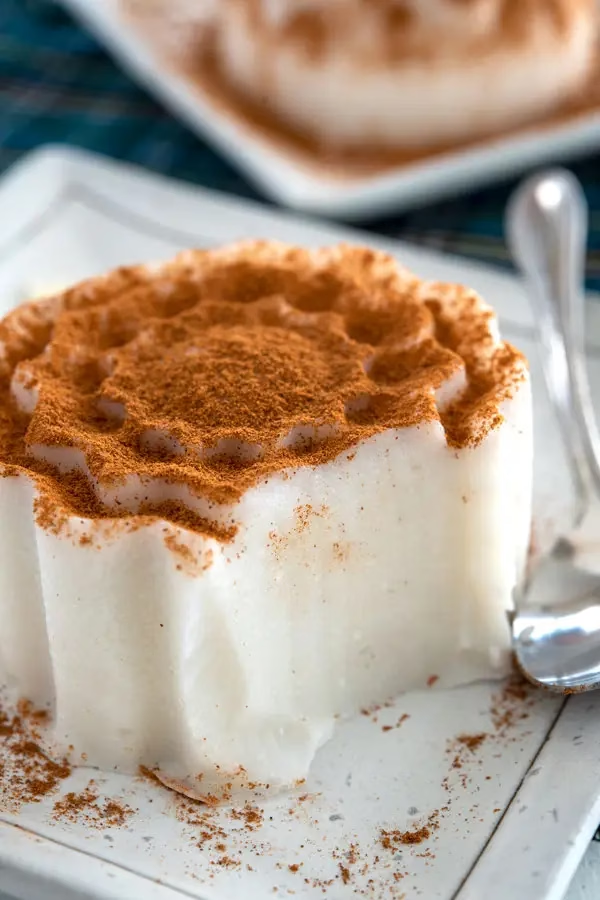
Tembleque, meaning “wobbly,” earned its name from its trembling, gelatinous texture. This refreshing coconut pudding blends coconut milk, sugar, and cornstarch with a light dusting of cinnamon. People serve it during Christmas celebrations, but its simple preparation makes it a year-round favorite.
Arroz con dulce (sweet rice) stands out as a coconut-infused treasure in Puerto Rico’s traditional cuisine. The creamy rice pudding starts with medium or short-grain rice soaked for hours. Cooks then blend it with coconut milk, raisins, and warm spices like cinnamon, cloves, and ginger. The holiday season brings this treat to life as its aroma fills homes and creates lasting memories at family gatherings.
Flan and Quesitos
Flan de queso puts a Puerto Rican spin on classic caramel flan by adding cream cheese that creates a cheesecake-like texture. The silky custard bathes in shimmering caramel sauce, striking a perfect balance between sweet and tangy flavors.
Quesitos (“little cheeses”) are beloved pastries that wrap sweetened cream cheese in golden puff pastry with a simple sugar glaze. These treats take just 30 minutes to make and taste amazing with café con leche. Creative bakers now offer variations with guava paste, Nutella, or pineapple jam.
Coquito: Puerto Rican eggnog
Coquito, the island’s answer to eggnog, lights up holiday celebrations. Unlike traditional eggnog, authentic coquito skips the eggs. The drink builds on coconut milk, rum, vanilla, and cinnamon. Sweetened condensed milk and cream of coconut create its signature richness. Many people add their own twist with spices or chocolate.
Where to find the best Puerto Rican pastries
Local panaderías (bakeries) serve up the most authentic Puerto Rican desserts. Franco Bakery in Mayagüez has mastered the Brazo de Gitano, offering more than two dozen flavors. San Juan’s Kasalta delights visitors with flaky quesitos and warm mallorcas alongside perfect Puerto Rican coffee. La Ceiba bakes everything from pastries to fresh bread daily. Cafetería Mallorca in Old San Juan specializes in its namesake pastry, serving it with ham and cheese under a cloud of powdered sugar.
Drinks and Local Ingredients That Complete the Meal
Puerto Rican cuisine bursts with vibrant flavors from signature ingredients and drinks that make every meal special.
Piña Colada and its origins
Puerto Rico’s official cocktail since 1978, the piña colada blends pineapple juice, coconut cream, and rum into a sweet masterpiece. The drink’s origin remains disputed. Bartender Ramón “Monchito” Marrero at the Caribe Hilton Hotel claims to have created it in 1954. Puerto Rico’s governor officially recognized his claim in 2004. A plaque at Barrachina restaurant in Old San Juan credits Don Ramon Portas Mingot with its 1963 invention. Whatever its true origins, this refreshing cocktail has become a worldwide symbol of Puerto Rico’s food culture.
Puerto Rican coffee culture
Puerto Rican coffee’s rich history stretches back to the 18th century. Its exceptional quality earned it the nickname “coffee of popes and kings.” The island’s Arabica beans offer sweet, dry fruit notes with chocolate undertones and hints of almond and plum. Local coffee culture features unique ordering terms: “cargao” means strong with little milk, “prieto” stands for black coffee, “cortadito” describes espresso with steamed milk, and “café con leche” represents the traditional latte.
Sofrito, adobo, and sazón
Traditional Puerto Rican food draws its character from three vital flavor bases. Sofrito combines culantro (distinct from cilantro), onions, garlic, sweet peppers, and sometimes olives and capers into an aromatic mixture. This blend serves as the foundation for countless dishes. Adobo takes the place of regular salt and pepper in meat seasoning. Sazón contains coriander, garlic, onion powder, and annatto (achiote), giving dishes their signature orange-red color without heat.
Plantains, yuca, and other staples
Puerto Rican cuisine relies on these foundational ingredients. Both green and sweet plantains add versatility to numerous dishes. Yuca (cassava) brings starchy substance to traditional recipes. Tomato sauce, tomato paste, and green olives round out the pantry essentials. Green olives add unexpected depth to rice and bean dishes. These ingredients work together to create Puerto Rico’s unmistakable and recognizable flavor profile.
Puerto Rican cuisine stands out as one of the Caribbean’s most vibrant culinary treasures. This island’s food has evolved into something truly distinctive through centuries of cultural blending. The fusion of Taíno, Spanish, and African influences creates dishes that are both complex and comforting. Cocina criolla shows how Puerto Ricans can turn simple ingredients into extraordinary meals with the magical base of sofrito.
The island’s street food scene makes authentic flavors available to visitors through its tostones, alcapurrias, and bacalaítos. Signature dishes like mofongo and lechón asado reveal rich layers of tradition and technique. Rice dishes are the foundations of Puerto Rican cooking, especially when you have arroz con gandules that shows how locals become skilled at giving staples their remarkable character.
Sweet treats deserve special recognition. Tembleque, flan de queso, and the beloved coquito highlight Puerto Ricans’ talent to create desserts that balance sweetness with tropical ingredients. These culinary elements paint a complete picture of a food culture deeply connected with national identity.
Puerto Rican food tells a story of resilience, creativity, and cultural pride. Each dish connects people to their ancestral roots. This connection helps Puerto Ricans both on the island and throughout the diaspora maintain their heritage. Learning about Puerto Rico’s hidden culinary treasures gives travelers a great way to get delicious meals and learn about this remarkable island’s heart and soul.
Here are some FAQs about Puerto Rico food:
What is the traditional food of Puerto Rico?
The traditional food of Puerto Rico is a flavorful blend of Spanish, African, and Taino influences. Dishes like arroz con gandules, lechón asado, and mofongo are at the heart of puerto rico traditional food. These meals reflect the island’s history and are some of the most celebrated examples of food in Puerto Rico.
What kind of food do they eat in San Juan, Puerto Rico?
In San Juan, locals and visitors enjoy a wide variety of dishes including tostones, mofongo, pasteles, and empanadillas. This mix of flavors perfectly represents food from Puerto Rico, showcasing its unique blend of tropical and savory tastes. San Juan’s restaurants also serve many modern takes on puerto rico traditional food while keeping the island’s essence alive.
Is Puerto Rican food similar to Mexican food?
While both cuisines share some Spanish and indigenous roots, Puerto Rican food is quite different from Mexican food. Food in Puerto Rico uses more plantains, pork, and tropical ingredients, while Mexican cuisine focuses more on chili peppers, corn, and beans. Puerto rico traditional food emphasizes slow-cooked flavors, seasonings like sofrito, and a distinctive Caribbean influence.
What is the most eaten food in Puerto Rico?
One of the most eaten dishes in Puerto Rico is arroz con gandules, a flavorful combination of rice, pigeon peas, and pork. This staple reflects the heart of puerto rico traditional food and is served at nearly every celebration. It’s a beloved part of daily food in Puerto Rico and highlights the comfort of island cooking.
What does mofongo taste like?
Mofongo has a rich, savory taste with a hint of garlic and salt, made from mashed fried plantains mixed with pork cracklings or garlic butter. The flavor is hearty and satisfying, making it one of the most recognizable dishes when talking about food from Puerto Rico. It’s a classic example of puerto rico traditional food that combines texture and taste perfectly.
What is the most popular street food in Puerto Rico?
The most popular street food in Puerto Rico is alcapurrias, deep-fried fritters made from green bananas or yucca filled with seasoned meat. These snacks are a staple of puerto rico traditional food and found at roadside stands and beaches across the island. Street vendors showcase the diversity of food in Puerto Rico through such flavorful, portable dishes.
What is the drink of Puerto Rico?
The national drink of Puerto Rico is the piña colada, a tropical mix of rum, coconut cream, and pineapple juice. This refreshing beverage pairs perfectly with the vibrant flavors of puerto rico traditional food. Whether enjoyed by locals or tourists, it represents the spirit of the island and complements popular food in Puerto Rico.
What’s in mofongo?
Mofongo is made from fried green plantains mashed with garlic, olive oil, and crispy pork skin, often served with meat or seafood. This combination is one of the defining examples of puerto rico traditional food, representing comfort and bold flavor. As one of the most popular food in Puerto Rico, it’s a must-try dish for anyone exploring the island’s cuisine.