Ever tried Guate food? Guatemalan food is a mixture of cultural influences that have shaped the country’s cooking over centuries. The diverse cuisine blends Spanish, Afro-Caribbean, and Indigenous influences, showing how different groups have made Guatemala their home throughout history. The strong connection to ancient Mayan roots remains alive today, with indigenous people making up 40-60% of Guatemala’s population.
Pepián stands as Guatemala’s national dish, featuring a mild red sauce that people usually serve with chicken, potatoes, and rice. The country’s cuisine also includes Kak’ik, a spicy turkey soup that means “red and spicy” in native language. The Ministry of Culture and Sports recognized it as a Cultural Heritage dish in 2007. These meat-centered dishes get their distinctive taste from peppers, chiles, and even chocolate.
The country’s rich cultural heritage shines through its food, from ancient Mayan basics like maize and amaranth to special dishes such as fiambre for All Saints Day and tamales for Christmas. While Mexican food shares some common elements, Guatemalan dishes keep their unique identity through special cooking methods and local variations. This piece takes a closer look at the traditional meals, street foods, and modern cooking practices that make Guatemalan food stand out in world cuisine.

The Ancient Roots of Guatemalan Cuisine
Guatemala’s culinary heritage dates back thousands of years before modern nations existed. The Maya civilization created amazing farming techniques and cooking methods in Central America’s rainforests and highlands. These ancient practices still shape what you’ll find on Guatemalan tables today.
Mayan food staples and cooking methods
The Maya people developed a rich and nutritious cuisine that flourished in the region’s volcanic soil. Corn wasn’t just food – it held deep spiritual meaning. Maya mythology tells us humans came from corn, which shows how central it was to their culture.
Four essential crops were the foundations of Maya sustenance:
- Maize (corn) – The most sacred and versatile ingredient
- Beans – Particularly black beans, providing complementary protein
- Squash – Offering vital nutrients and variety
- Chili peppers – Adding flavor and preservative qualities
The Maya’s most state-of-the-art cooking breakthrough was nixtamalization. This process soaked corn in lime water to remove hulls, boost nutrition, and make it easier to digest. The result was masa – a versatile dough that’s still used for tortillas and tamales in traditional Guatemalan cooking today.
The Maya used several advanced cooking techniques:
- Steaming tamales wrapped in banana leaves
- Cooking on a comal (flat griddle) for tortillas
- Underground pit cooking (pib) for slow-roasted dishes
You’ll still see women across Guatemala making tortillas by hand on comales, carrying on these centuries-old traditions.
Spanish colonial influence on ingredients in Modern Guatemalan food
Spanish conquistadors brought revolutionary changes to Guatemalan cuisine in the early 16th century. They introduced wheat, barley, legumes, sugarcane, olive oil, and most importantly, livestock.
Before colonization, people ate mostly turkey, fish, deer, and wild game. The arrival of beef, pork, chicken, and sheep gave Guatemalans many new protein options. Dairy products, which were completely new to the region, became essential ingredients in numerous dishes.
Spanish cooking methods like frying, oven baking, and sun-drying mixed with local ingredients and techniques. This fusion created many of today’s traditional Guatemalan dishes – like Pepián, a stew that beautifully blends European and Maya cooking traditions.
Afro-Caribbean contributions to delicious coastal dishes
The Garifuna people added another fascinating layer to Guatemala’s cuisine. These descendants of African slaves survived a shipwreck near St. Vincent in the Caribbean during the 1600s. They settled along Guatemala’s Caribbean coast, mainly around Livingston, bringing their unique food traditions.
Garifuna cooking introduced coconut milk, tropical fruits, and seafood-focused recipes to Guatemalan food. Their signature dish tapado shows this influence perfectly – it’s a rich seafood soup with coconut milk, plantains, and shellfish. The Garifuna also brought cassava bread, banana tamales, and tomato-based “boil-up” sauce with dumplings.
The Garifuna community makes up just a quarter of Livingston’s population (about 4,000 people), but they’ve managed to keep their unique food heritage. Their Caribbean and African-influenced cooking adds something special to Guatemala’s rich food culture, especially along the coast where seafood dishes are completely different from highland cooking.

Traditional Guatemalan Dishes That You Should Know!
A closer look at Guatemala’s beloved dishes shows a rich food heritage built over centuries. These iconic plates, from smoky stews to bright soups, capture the heart of traditional Guatemalan cooking.
Pepián: The national stew
Pepián stands proudly as Guatemala’s national dish and ranks among the oldest recipes in Guatemalan cooking. The government declared it part of the country’s cultural heritage in 2007. This thick, mildly spicy stew beautifully blends Spanish and Mayan cooking traditions.
The magic of authentic pepián comes from its signature sauce – a velvety recado made with roasted tomatoes, chiles, and pepitoria (ground pumpkin and sesame seeds). These seeds thicken the sauce and add a distinctive nutty flavor. People make it with chicken most often, but beef and pork versions taste great too. The dish also has carrots, potatoes, and sometimes squash.
This dish started as special occasion food but now brings comfort to everyday meals. A proper serving comes with white rice, handmade corn tortillas, and a fresh avocado slice.
Kak’ik: Spicy turkey soup for the soul
Kak’ik, which you say as “kak-eek,” means “red and spicy” in Q’eqchi’ Mayan. This bright turkey soup from the Alta Verapaz region became an Intangible Cultural Heritage dish in 2007.
The soup’s star is turkey (usually a local “chompipe” variety) that simmers in a rich, red broth. Ground annatto seeds (achiote) give the broth its color. The dish gets its aroma from garlic, onions, mint, coriander and zamat leaves. The red color reminds many of pre-Columbian ritual sacrifices.
Real kak’ik comes with white tamales in mashán leaves, chili, and sometimes a traditional cocoa drink. Most Guatemalans serve a small bowl of chile paste on the side so everyone can adjust the heat.
Jocón: Green chicken stew
Jocón (ho-CON) catches your eye with its beautiful emerald color that matches its rich flavors. This chicken stew comes from Guatemala’s western highlands, mainly Huehuetenango, and has strong Maya-K’iche’ roots.
The green sauce combines tomatillos, cilantro, green onions, and mint. Ground pumpkin and sesame seeds create its smooth texture – just like pepián but with totally different flavors. Bright tomatillos balance perfectly with fresh herbs.
People still cook it slowly in clay pots, staying true to its indigenous roots. Jocón shows up on everyday tables with white rice and corn tortillas, proving Guatemala’s pre-Hispanic cooking lives on.
Hilachas: Shredded beef in tomato sauce
Hilachas means “threads” in Spanish, which perfectly describes its shredded beef strips. This hearty stew shares roots with Cuba’s ropa vieja (“old clothes”), showing Spain’s influence on Guatemalan food.
The cook simmers flank or skirt steak until tender, then pulls it into thin strips. A mild tomato-tomatillo sauce with guajillo chiles covers the meat. Most cooks add potatoes, and depending on the region, you might find carrots, green beans, or chayote squash.
Here’s something cool about hilachas: locals say it tastes even better the next day after the flavors blend overnight.
Chiles Rellenos: Stuffed peppers with a twist
Chiles Rellenos exist all over Latin America, but Guatemala’s version stands out. Mexican versions stuff poblano peppers with cheese, while Guatemalan cooks use sweet bell peppers filled with seasoned minced beef and vegetables.
The cook roasts and peels sweet peppers before adding a filling of beef, carrots, green beans, and potatoes. Then they dip the stuffed peppers in beaten egg whites, fry them golden, and cover them in fresh tomato sauce.
You’ll often see Guatemalans enjoying this dish wrapped in a fresh tortilla – no fork needed, perfect for eating on the go. This clever twist shows how Guatemalans turn fancy dishes into great everyday food.
Street Food and Everyday Meals in Guatemala
The streets of Guatemala buzz with food vendors who serve up tasty, affordable dishes that connect deeply with everyday life. Local food stands dish out everything from breakfast staples to grab-and-go snacks. These street eats give you a real taste of Guatemalan food culture without the fuss of restaurant dining.
Desayuno Chapin: The classic breakfast
Desayuno Chapin, Guatemala’s traditional breakfast, brings together simple ingredients in perfect harmony. This filling morning meal comes with refried black beans, eggs (sunny-side-up or scrambled), fresh cheese, fried plantains, cream, and tortillas or French rolls. A strong cup of coffee rounds out the meal. Locals call it the “Breakfast of Champions” because the flavors work so well together. Mix and mash these ingredients to create a delicious start to your day.
Shucos: Guatemalan hot dogs
Shucos get their name from a local word meaning “dirty.” These aren’t your regular hot dogs. The meat – grilled beef, pork or sausage – sits on a soft, oil-brushed, grilled hot dog bun. Vendors load it up with avocado and chimichurri sauce, then pile on refried black beans, tomato salsa, chopped onion, and shredded cabbage. A final touch of ketchup, mustard, and mayonnaise completes this treat. These tasty dogs first showed up near Guatemala City’s Liceo Guatemala and now you’ll find them all over the country as a favorite late-night snack.
Tostadas and dobladas
Tostadas stand out as Guatemala’s most loved street foods. These crispy fried corn tortillas come with delicious toppings. The classic version features three main toppings: guacamole, recado (tomato-based red sauce), and refried black beans. Crumbled cheese, sliced onions, and fresh cilantro add the finishing touches. Dobladas (“folded” in Spanish) are tortillas stuffed with meat, potatoes, or cheese, then folded and fried until they turn golden and crispy.
Chuchitos and tamalitos
Chuchitos, Guatemala’s mini-tamales, wrap corn dough and fillings of chicken or pork in a tomato-based sauce called recado. Unlike their bigger cousins, these snacks come wrapped in corn husks instead of banana leaves. This makes them perfect for eating on the go. These small, nutritious packages make a neat meal that’s easier to eat than other street foods.
Empanadas and pupusas
Pupusas, though they started in El Salvador, have become a huge hit in Guatemala. These thick corn tortillas come stuffed with cheese, beans, chicharrón (pork), or a mix of these fillings. Each pupusa comes with curtido (a marinated cabbage slaw) and tomato salsa, making a cheap and filling meal. Empanadas – pastry pockets filled with meat, potatoes, or sweet fillings like pineapple – make great quick bites for busy Guatemalans.
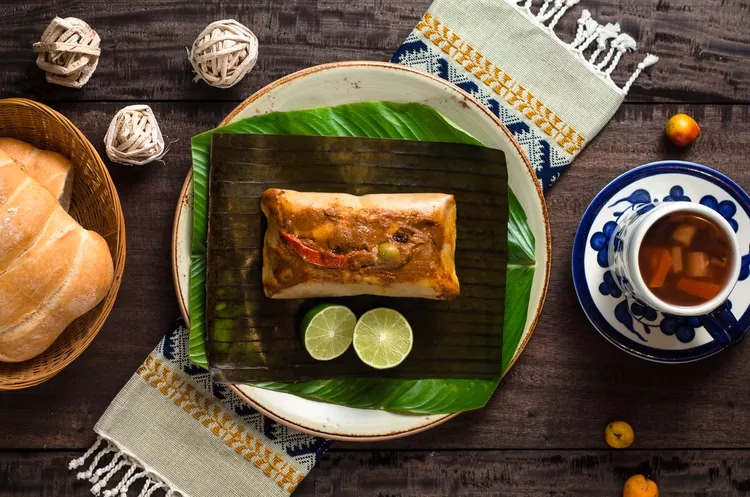
Sweet Treats and Drinks from Guatemala
A trip through Guatemala’s food scene must include its amazing sweet treats and unique drinks that highlight the country’s rich food heritage.
Rellenitos: Plantains with black beans
Rellenitos de Plátano might raise eyebrows among visitors – these are ripe plantains stuffed with sweetened black beans. This unusual combo creates a dessert that locals love. The recipe calls for mashed plantains shaped into patties and filled with refried beans. Sugar and cinnamon add sweetness before the patties are fried golden brown and dusted with sugar. Some creative cooks add unsweetened cocoa powder and a touch of cayenne for extra depth. You’ll find these treats everywhere from local markets to fancy restaurants, showing how simple ingredients become treasured Guatemalan classics.
Mole de plátano: A dessert with chocolate sauce
Plátanos en Mole holds such cultural significance that Guatemala’s government named it a national treasure. This special dessert combines plantains with a sweet mole sauce made from chocolate, pasilla chilis, pumpkin seeds, sugar, and cinnamon. The rich sauce blends traditional ingredients like tomatoes, tomatillos, ancho chiles, prunes, and toasted ground seeds. Cooks fry the plantains first, then let them simmer in the sauce before adding toasted sesame seeds on top.
Borracho cake and chancletas
The Borracho cake (Spanish for “drunk”) stands out as Guatemala’s favorite dessert. This light sponge soaks up rum or brandy-infused syrup for two days. Traditional recipes top it with “manjar” – a milk-based mixture with cornstarch, raisins, and cinnamon. Many families add their own twist with peaches, strawberries, or kiwis.
Chancletas (meaning “slippers”) make clever use of abundant chayote squash. Cooks prepare this treat by cooking and halving the squash. They mix its pureed flesh with sugar, cinnamon, raisins, and cookie crumbs to create the filling.
Licuados, atole, and Guatemalan coffee
Guatemalan drinks deserve special mention. Licuados bring together fresh tropical fruits like banana, mango, papaya, and guanabana with milk, water, or yogurt in smoothie-style drinks. Atol de elote, a creamy corn drink, makes breakfast and afternoon snacks special. Guatemala’s coffee, grown in rich volcanic soil, produces a strong, full-bodied cup with natural sweetness that coffee lovers worldwide chase after.
Modern Kitchens and Evolving Food Culture
Guatemala’s kitchens have transformed into vibrant spaces where ancient traditions blend with new ideas. The country’s culinary scene honors its past while accepting new ideas for the future.
Cooking classes and food tours
Cooking classes are a great way to get deeper insights into guatemalan food’s soul. Mayan Kitchen Cooking Class in San Pedro lets students learn authentic Mayan cuisine with instructor Anita. She takes them from local markets to dining tables. Cuscun in Antigua Guatemala welcomes visitors with custom cooking workshops. Students can taste “the true and traditional flavors of Guatemala”. These classes give more than just recipes – they create lasting bonds with Guatemala’s culinary heritage.
Food tours have become popular activities throughout the country. Local guides take visitors on culinary adventures through busy markets and family-owned eateries.
Fusion dishes and restaurant trends
Guatemala City now features a thriving restaurant scene. Young talented chefs explore their roots and create modern versions of traditional guatemalan food. Chefs Diego Telles and Rodrigo Salva at Flor de Lis craft tasting menus that combine Mayan elements with modern techniques. They use local ingredients like black salt from Sacapulas Quiché. Restaurants like Gracia, Cocina De Autor draw ideas from global cuisines while staying true to guatemalan food traditions.
Chefs create new dishes with indigenous ingredients such as chayote, pepitoria, and jocotes. Their focus on local, organic ingredients helps support small-scale farmers.
Preserving tradition in a globalized world
Many Guatemalans keep their traditional cooking methods alive as typical guatemalan food develops. Home cooks believe their hands make better food than fancy equipment because it “increases the purity of flavors”. Most families pass down recipes through speaking and showing rather than writing them down. Cooking helps families stay connected through generations. Grandmothers teach their grandchildren the art of pressing perfect tortillas.
This balance between tradition and innovation gives guatemalan cuisine its authentic yet modern character in today’s fast-changing world.
Guatemalan cuisine serves as proof of the country’s rich mixture of cultures. The vibrant food culture has merged Mayan traditions with Spanish colonial influences and Afro-Caribbean contributions over centuries. This unique blend creates a distinct culinary identity. Traditional dishes like Pepián and Kak’ik represent more than just food—they tell the story of Guatemala’s complex history and cultural heritage.
Street food gives travelers the most available gateway to authentic Guatemalan flavors. Hearty Desayuno Chapin breakfasts, savory shucos, and crispy tostadas offer genuine glimpses into local life. Sweet treats like rellenitos and borracho cake demonstrate how locals turn simple ingredients into extraordinary culinary experiences.
Food lovers should prepare for a sensory adventure that spans from ancient recipes to modern interpretations when visiting Guatemala. The country’s food scene strikes a thoughtful balance between preservation and breakthroughs. Grandmothers pass down traditional cooking methods while contemporary chefs reimagine classic dishes with fresh views. This balance helps Guatemalan cuisine stay authentic and relevant.
Guatemalan food keeps its unique character despite global influences. The deep connection between food preparation and cultural identity flourishes across generations. These recipes share stories of resilience, creativity, and community that stretch back thousands of years.
Guatemala belongs on every food lover’s travel bucket list. A steaming bowl of pepián, the sight of skilled hands pressing fresh tortillas, or sipping rich Guatemalan coffee near volcanic landscapes creates memories nowhere near as fleeting as photographs. Guatemala’s food offers the most delicious history lesson imaginable—worth traveling across the world to experience firsthand.
Here are some more FAQs about guatemalan food:
How is the food in Guatemala?
The food in Guatemala is diverse, flavorful, and deeply rooted in Mayan and Spanish influences. Guatemalan food often features corn, beans, rice, and a variety of fresh fruits and vegetables, creating a unique and satisfying culinary experience.
What is Guatemala’s national food?
Guatemala’s national food is Pepián, a rich and hearty stew that combines meat with vegetables and a complex sauce made from roasted spices and seeds. This traditional guatemalan food is often considered the country’s first authentic dish and is a source of cultural pride.
What is the best Guatemalan dish?
While subjective, many consider Kak’ik to be one of the best guatemalan food dishes; it is a traditional turkey soup flavored with coriander, achiote, and chili peppers. Other strong contenders include Pepián and Jocón, which are also cornerstone recipes in guatemalan food recipes.
What food was invented in Guatemala?
Chocolate, as a drink, is famously credited to the ancient Maya in what is now Guatemala. Additionally, dishes like Pepián are believed to have originated in the country, making them a significant part of traditional guatemalan food history.
Is Guatemalan food similar to Mexican food?
While both cuisines share some base ingredients like corn and beans, guatemalan food is generally less spicy and features its own unique dishes and flavors. The typical guatemalan food often has a distinct, milder flavor profile compared to many Mexican dishes.
Is Guatemala rich or poor?
Guatemala is considered a developing country with significant economic challenges and a high poverty rate. Despite these challenges, the culture remains rich, especially its culinary traditions which include popular guatemalan food that is both affordable and nutritious.
What is a typical Guatemalan breakfast?
A typical Guatemalan breakfast often includes eggs, fried plantains, black beans, and fresh cheese, often served with tortillas. This hearty meal is a staple of guatemalan traditional food and provides energy for the day ahead.
Is Guatemalan food spicy?
Guatemalan food is generally not as spicy as other Central American cuisines; it focuses more on aromatic flavors from herbs and mild chilies. While some famous guatemalan food dishes can have a kick, heat is usually offered on the side rather than cooked into the dish.
What is the most popular street food in Guatemala?
The most popular guatemalan street food is likely the Shuco, which is a Guatemalan-style hot dog topped with avocado, cabbage, and various sauces. Other common street foods include tamales and tostadas, which are widely available and beloved.