Some of the best culinary discoveries happen outside restaurant dining rooms. A great meal can tell you a lot about a place, but so can a shelf lined with preserves, a bakery case filled early in the morning, or a deli counter where regulars know exactly what to order.
That is what makes Pennsylvania farm markets rewarding for anyone who plans trips around flavor. They offer a practical look at regional taste through the ingredients, snacks, baked goods, and prepared dishes that families bring home.
For a road trip through the state, these places can add welcome variety to the route. They work as breakfast breaks, picnic supply stops, snack runs, gift-shopping detours, and quiet introductions to small-town food culture.
What Makes Farm Markets Different From Ordinary Food Stops
Farm markets have a different rhythm from most places people pause for a meal or snack. A convenience store may solve a quick hunger problem, and a restaurant may provide a full sit-down experience, but a well-stocked market gives visitors a broader view of how a region eats.
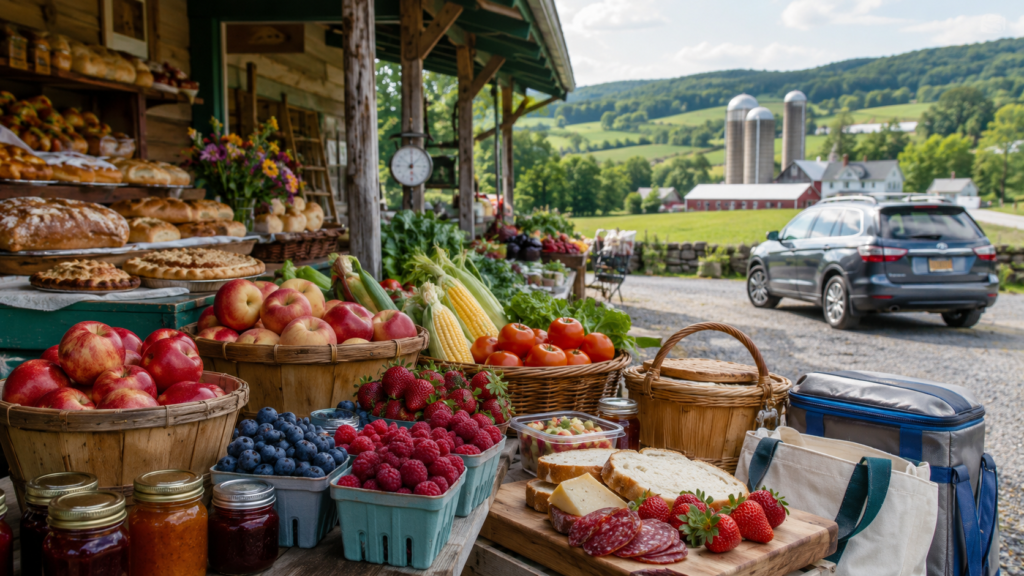
In one visit, guests might find seasonal fruit, fresh bread, bulk foods, jams, sauces, deli meats, cheeses, baking supplies, and prepared items for the road. That range is what makes places like Whispering Pines Fruit Farm relevant to food-focused trips built around more than a quick bite.
The appeal comes from choice. Visitors can compare apple varieties, ask about baked goods, look for regional pantry items, and pick up something to enjoy later in the day. This kind of browsing often leads to the most memorable finds.
Local Food Culture Goes Beyond Restaurants
Restaurants are often the first places people search for when planning where to eat. They show how chefs interpret regional ingredients, family recipes, and familiar traditions. Farm markets reveal another side of the same culinary identity.
Flavor also lives in grocery aisles, deli cases, bakery trays, produce bins, and handwritten signs advertising seasonal specials. In many Pennsylvania communities, these shops are where residents buy ingredients, grab lunch, pick up baked goods for visitors, and prepare for holidays or family gatherings.
This is especially true in areas shaped by farms, orchards, bakeries, and small independent food businesses. Central Pennsylvania, Lancaster County, the Susquehanna Valley, and other rural regions have traditions that are easier to understand inside the places where residents shop week after week.
Seasonality adds another reason to visit. Summer can bring peaches, berries, sweet corn, tomatoes, and picnic staples. Fall often means apples, cider, pumpkins, baking spices, and heartier pantry goods. Winter and early spring usually lean toward baked goods, preserves, deli items, bulk foods, and comfort-food essentials.
Why Local Food Stops Matter
Farm markets keep money and attention closer to regional food systems. Purchases from independent shops, farm stands, and small grocers help support the growers, bakers, processors, distributors, and family businesses that give an area its character.
That connection has real economic weight. Recent reporting on direct-to-consumer food sales shows that farm stands, farmers markets, CSAs, and other direct outlets continue to play an important role for small family farms.
For visitors, this creates a more meaningful kind of spending. A pastry from a bakery case, a jar of preserves, a bag of apples, or deli food for a picnic may seem simple, but those purchases help sustain the businesses that make small towns distinctive.
These stops can also make a trip more flexible. A market lunch, a box of baked goods, or a bag of regional snacks can be affordable and satisfying during a long drive. For families or groups, the variety is useful because one place can offer fresh fruit, sandwiches, sweets, cheese, pantry items, and take-home gifts.
What Food Lovers Can Look For at a Farm Market
The best way to approach a farm market is with a curious appetite. You may arrive with a short shopping list, but the real value often comes from noticing what regular customers are buying.
Seasonal fruit is one of the clearest draws. Apples, peaches, berries, cherries, and other regional produce can offer a fresh taste of the area. Even without a kitchen, fruit works well for breakfast, snacks, picnic stops, and hotel-room meals.
Bakery items are another highlight. Many markets carry pies, cookies, breads, sweet rolls, whoopie pies, muffins, or other goods that reflect regional preferences. These are easy to share, easy to pack, and more personal than a standard souvenir.
Deli counters can turn a quick visit into lunch. Sandwiches, meats, cheeses, salads, spreads, and prepared dishes make it easy to build a picnic or simple meal without planning around a restaurant reservation.
Bulk foods and pantry items are worth browsing as well. Baking ingredients, spices, candies, dried fruit, nuts, mixes, noodles, sauces, jams, honey, and shelf-stable goods can show how shopping habits differ from chain grocery stores.
Small details often make the visit memorable. Handwritten signs, regional brands, seasonal displays, and practical everyday products can say as much about a place as a polished tasting menu.
How Farm Markets Fit Into a Road Trip
A farm market can improve a road trip by offering a useful break from driving and a practical source of fresh food.
Morning visits are ideal when bakery cases are full or breakfast-friendly items are available. Fruit, pastries, bread, and coffee-pairing snacks can make the first part of the day feel more connected to the area. Arriving early can also help you find popular items before they sell out.
Midday visits work well for picnic planning. Instead of relying on fast food, you can pick up sandwiches, deli foods, cheese, fruit, chips, baked goods, or drinks and take them to a nearby park, overlook, lake, or trailhead.
Late-day visits are useful for take-home items. Shelf-stable foods, preserves, candies, baked goods, and pantry staples can be packed for later, especially near the end of a trip.
These markets can also balance a food itinerary. After several restaurant meals, a lighter stop can provide snacks for the car, simple lunch options, or ingredients for a relaxed meal at a rental house or cabin.
How to Turn a Market Stop Into a Food-Focused Day Trip
The strongest culinary day trips often combine more than one type of experience. A market visit can anchor an itinerary that includes a small-town walk, a casual lunch, a scenic drive, a coffee shop, or a dinner reservation.
People exploring central parts of the state can pair a market visit with nearby towns known for dining and outdoor access. Looking up restaurants in Huntingdon, PA can help turn a simple shopping stop into a fuller food-focused outing.
The same approach works across many regions. Start with a farm market, then build the rest of the day around a nearby state park, historic downtown, covered bridge, orchard, antique shop, coffeehouse, or family restaurant.
This style of travel works especially well in Pennsylvania because many memorable culinary stops are spread across valleys, rural roads, boroughs, and highway routes. Planning around markets helps people notice places they might otherwise pass without stopping.
A good day trip does not need to be complicated. Choose one market, one meal, and one nearby activity. Leave time to browse. Bring a cooler for perishable items. Keep reusable bags in the car. Ask staff what is seasonal, popular, or made nearby.
Some of the best purchases can extend the trip after you return home. A jar of jam, a bag of baking mix, a spice blend, a box of cookies, or a locally made sauce can bring back the memory of a place weeks later.
A Better Way to Taste a Region
Pennsylvania farm markets are worth planning around because they show what people grow, bake, preserve, cook with, snack on, and bring home to their families.
A visit lets you browse at your own pace, follow the seasons, talk with staff, and find foods that may never appear on a standard itinerary.
For anyone who enjoys planning trips around flavor, that kind of stop can be the difference between passing through a place and tasting it with more attention. Farm markets make road trips more flexible, more personal, and more connected to the everyday food culture of the communities along the way.