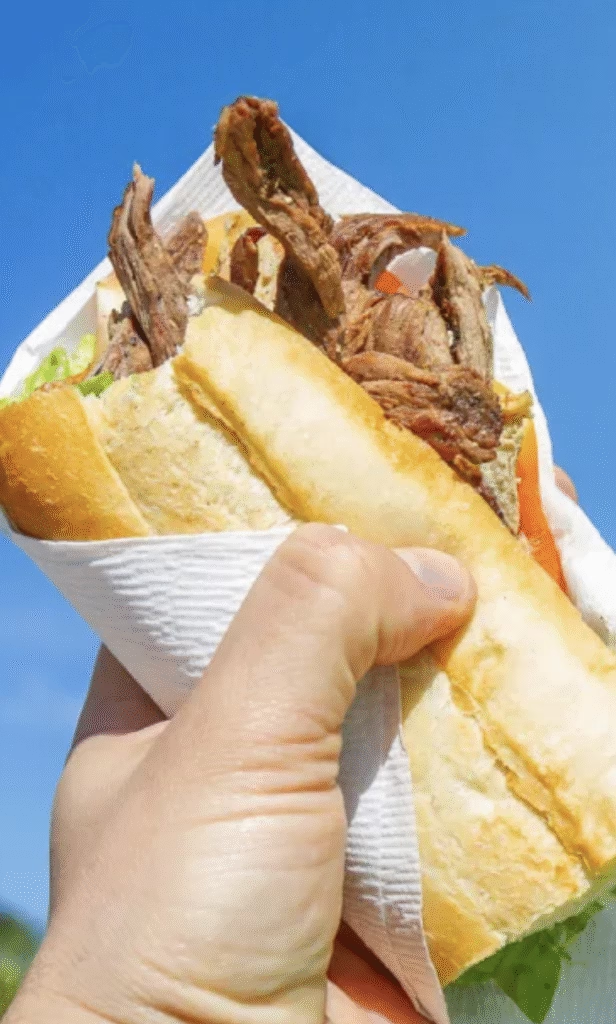
I love the 305 and Miami’s food scene is as diverse as the people who live there. The city blends Latin American flavors with fresh seafood to create a unique food culture that makes it stand out among America’s best food cities.
Stone crabs are my favorite as well as for locals from October to May. Locals and tourists alike scarf these these sweet crabs down typically with mustard sauce. The Cuban sandwich is everywhere in town as well. You’ll find this tasty combination of roasted pork, ham, Swiss cheese, pickles, and mustard pressed between crispy Cuban bread on almost every street corner[-5]. While Cuban food dominates Miami’s menus, the city’s restaurants serve dishes from all over the Caribbean, Latin America, and South America. A single block might have Peruvian ceviche, Haitian griot, Puerto Rican mofongo, Colombian arepas, and Japanese sushi. Sweet lovers shouldn’t miss Miami’s Key Lime Pie – it’s a local must-try dessert.
Cuban Food is The Foundation of Miami’s Food Culture
Miami’s culinary identity bears deep Cuban influences that set it apart from any other American city. Cuban cuisine defines Miami’s food scene. This cultural fusion started in the 1960s and created a food tradition that stays true to its Havana roots while being uniquely Miami.
Cuban sandwich is a Miami staple
Miami’s food scene has an undisputed star – the legendary Cuban sandwich. Its magic lies in the precise layering: sweet ham, roasted mojo pork, Swiss cheese, yellow mustard, and dill pickles pressed between crispy Cuban bread. The bread’s unique character comes from palmetto leaves placed on top during baking, creating its signature split down the middle.
Local sandwich enthusiasts say you should hear the distinct crackle of the crust with each bite. Sanguich de Miami in Little Havana and Enriqueta’s Sandwich Shop serve these sandwiches with meticulous attention to detail. Some spots add salami—a Tampa-style twist that sparks friendly debates among traditionalists.
Croquetas and pastelitos is how you start the day in Miami!
The aroma of fresh croquetas and baked pastelitos fills Miami’s morning air. These breakfast favorites showcase Miami’s food culture. Croquetas are cylindrical fried delights with a crispy breadcrumb shell containing creamy béchamel filling with ham (jamón). Chicken and cheese versions are just as popular. Their grab-and-go nature makes them perfect for busy city dwellers.
Pastelitos bring sweetness to breakfast tables. These flaky Cuban pastries feature fillings like guava and cheese (guayaba y queso), beef (picadillo), or coconut. The guava variety creates a perfect harmony between sweet fruit paste and tangy cream cheese within delicate pastry layers.
Versailles Bakery and Karla Bakery draw local crowds before 9am for hot croquetas and fresh pastelitos. These treats cost less than $2 each, making them affordable staples of Miami’s food scene.
Coffee with community
Miami’s Cuban food heritage shines through its colada tradition. This coffee ritual turns a simple beverage into a social experience.
Colada serves as intensely sweet Cuban coffee in a larger container with small plastic cups (tacitas) meant for sharing. A $2-3 serving of this robust brew serves 4-6 people. This tradition reflects Miami’s generous food culture—buying a colada means treating friends, coworkers, or even strangers.
Ventanitas (little windows) serve as Miami’s social anchors where people gather for quick coffee breaks and conversations. These window-service counters at Cuban establishments act as community hubs. Downtown Miami’s office culture has embraced the afternoon colada break as much as lunch hour.
Visitors looking to understand Miami’s signature foods should experience colada culture. This coffee tradition offers more than just a drink—it opens a window into the city’s unique social fabric where food and community blend seamlessly.
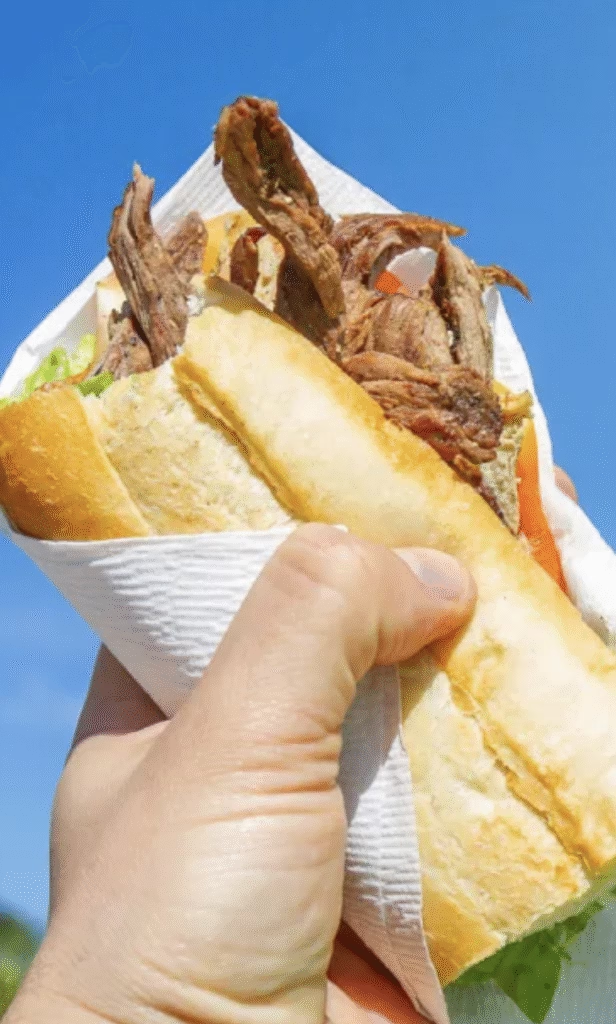
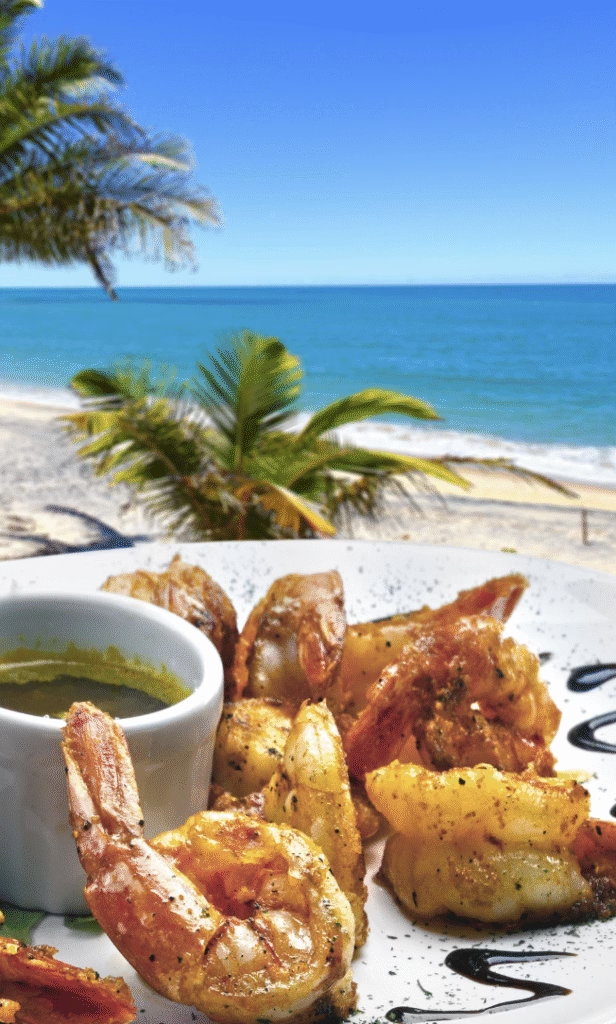
Seafood Staples That Define the Coast
Miami’s coastal location shapes much of its renowned food scene, beyond its Cuban cafes and Latin eateries. The city’s connection to the ocean provides some of the freshest seafood specialties that have become culinary landmarks.
Stone crabs are a seasonal delicacy
Miami celebrates its most prized oceanic treasure – stone crabs from October 15 through May 1. The harvesting process takes only the oversized claws (measuring at least 2.75 inches) unlike other crustaceans where harvesters collect the entire body. Stone crabs return to the water and can regenerate their claws three to four times. This eco-friendly harvesting method makes stone crab a renewable resource that both conservationists and foodies appreciate.
Joe’s Stone Crab, a 110-year old Miami restaurant, started the stone crab craze. The restaurant’s signature dish emerged from an experiment when Harvard ichthyologist John Speck asked Joe Weiss to cook them. This iconic establishment now serves these delicacies chilled with their famous mustard sauce, creating a flavor combination that defines Miami’s food identity.
The meat is a chance to experience natural sweetness – rich in sugars with a texture like in lobster or shrimp. Florida provides nearly 99% of US stone crab claws, generating about $30 million yearly.
Pan con minuta
Many locals will tell you about pan con minuta when you ask them about Miami food they can’t live without. This fried fish sandwich showcases Miami’s seafood heritage in portable form. La Camaronera, a 47-year old establishment by the Garcia Brothers, creates this legendary sandwich with a butterflied snapper filet that’s lightly fried and served on Cuban bread with white onions, ketchup, and fresh lime slices.
The sandwich’s signature tail sticks out hilariously. This detail helps locals spot an authentic pan con minuta from copycats. The Cuban roll “melts in the mouth” and perfectly complements the crispy fish.
The sandwich costs around $5 and might be “the best sandwich you will ever have” at that price. It represents both a culinary staple and an affordable taste of authentic Miami food culture.
Conch fritters – don’t sleep on The Bahamas!
Conch fritters connect Miami to its Bahamian heritage and are vital to the city’s culinary history. Black Bahamians brought their culinary traditions to South Florida before Miami’s incorporation in 1896, and conch (pronounced “konk”) became a staple.
These golden, puffy fritters combine diced conch meat, peppers, and onions with secret spice blends. Cooks traditionally prepare them in cast iron skillets over open flames and serve them with a slightly spicy aioli.
Liberty City and other Miami neighborhoods feature roadside vendors who set up canopy tents with propane-powered deep fryers. They drop conch fritter batter into hot oil and scoop them out minutes later – crispy outside, tender inside, bursting with flavor.
These three seafood specialties are a rich source of Miami’s coastal heritage that perfectly complement its prominent Latin American influences.
Latin American Flavors Beyond Cuba
Miami’s food scene offers much more than its famous Cuban cuisine. The city’s rich immigrant communities have created an amazing mix of Latin American flavors that make it a must-visit spot for anyone wanting to taste authentic Latin food.
Arepas from Venezuela and Colombia
These cornmeal pocket sandwiches are now a Miami food staple. You’ll find them everywhere from street food trucks to high-end restaurants. La Latina in Midtown Miami makes some of the city’s best arepas. They stuff them with delicious fillings like spicy shredded chicken or rice and beans. Don’t forget to grab some guasacaca – this avocado-based vinegar sauce takes every bite to the next level.
Mr. Cachapa in Hialeah draws crowds for their “gorditas,” “compactas” and “divinas” arepas. Their Reina Pepiada stands out as a Venezuelan classic. Named after a beauty queen, it perfectly balances creamy avocado with tender chicken.
La Latina serves thin, crispy arepas into the early morning – perfect after a night out or to cure a hangover. Their signature La Latina Arepa with gouda, bacon, and avocado has become legendary among local food lovers.
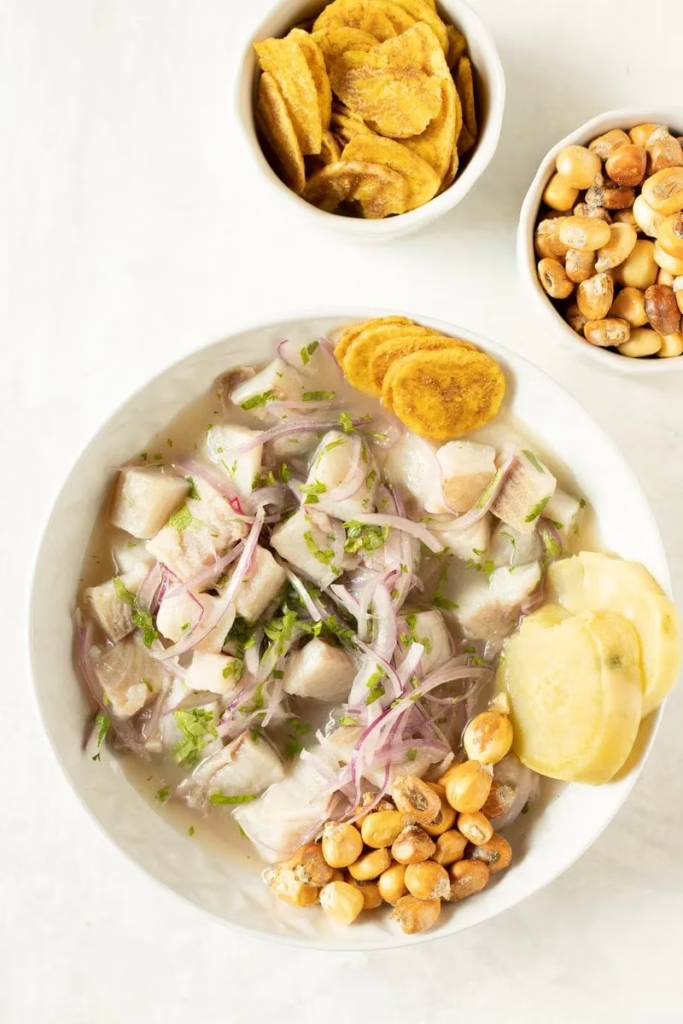
Peruvian ceviche
Any discussion of Miami’s signature foods must include Peruvian ceviche. This citrus-cured seafood dish fits perfectly with Miami’s tropical weather and abundant fresh fish and citrus.
El Chalán in Westchester has served outstanding ceviche since 1985. This family spot excels at traditional recipes where lime juice “cooks” the fish, creating the perfect dish for Miami’s hot weather. Beyond their zesty ceviche, people love their creative seafood dishes like Pescado al Chalan with seafood bechamel and shrimp.
Dr. Limon’s Chef Carlos Brescia has turned Peruvian ceviche into an art form. His menu features over 20 varieties. He creates surprising combinations that respect tradition while adding modern touches.
Churrasco and chimichurri
The smell of grilled churrasco fills Miami’s streets from restaurants serving Argentine, Brazilian, and other South American cuisine. This thin, flavorful beef cut – usually skirt steak (entraña) or flank steak (vacío) – stands out for its tenderness and rich flavor from careful marbling.
Chimichurri sauce pairs perfectly with churrasco. This bright green mix of parsley, garlic, oregano, red pepper flakes, red wine vinegar, and olive oil cuts through the meat’s richness for a perfect balance.
Miami’s churrasco reflects the city’s cultural blend. Restaurants serve it with yuca fries, maduros, tostones, or even ají amarillo sauces. This shows how Miami’s food scene keeps reinventing traditional dishes while staying true to their roots.
Hidden Gems Only Locals Know
Miami locals tuck into hidden culinary treasures you won’t find in most travel guides. These off-the-radar specialties showcase the authentic flavors that residents know and love, along with the best spots to find them.
Frita Cubana
The Frita Cubana serves as Miami’s take on the American hamburger—a thin, heavily seasoned beef-and-pork patty topped with crispy shoestring potatoes on a Cuban roll. El Rey De Las Fritas creates their original frita using a secret family recipe that goes back to Cuba. The founders Victoriano “Benito” Gonzalez and his wife Angelina mastered their craft before bringing it to Miami in 1973. You can grab this spiced patty topped with julienne-cut fries for less than $5—a real steal in downtown Miami’s restaurant scene.
Food adventurers should try the “Frita a Caballo” with a fried egg on top or the “Frita Suprema” loaded with fried cheese and sweet plantains. Purists say a real frita needs freshly made papas julianas (shoestring potatoes) and must come on a proper Cuban roll—never with lettuce or tomato.
Griot
Haitian cuisine shapes much of Miami’s food culture, yet it stays under the radar. Griot—crispy cubes of marinated fried pork—stands out as one of this tradition’s most loved dishes. Naomi’s Garden serves these juicy pork chunks with classic sides like fried plantains (banan peze) and pikliz, a spicy cabbage relish.
Little Haiti’s Chez Le Bebe specializes in perfectly fried griot. Lakay Food Spot offers the “ayibobo” platter that comes loaded with fried meats and traditional sides.
Empanadas with a twist
Miami’s empanadas reach way beyond traditional fillings. These stuffed pastries pop up everywhere with countless variations that reflect the city’s cultural mix. Empanada Harry’s makes a chipotle chicken empanada that locals can’t get enough of, stuffed inside a flavorful crust.
Breadman’s ham and cheese empanada—packed with chunky ham and nutty Swiss cheese—has earned a devoted following. The sort of thing I love about Miami: some gas stations serve amazing empanadas. Mendez Fuel might have the biggest beef empanada in town.
Key lime pie
A proper look at Miami’s famous food must include key lime pie, Florida’s official state pie since 2006. The Florida Keys might claim it as their own, but Miami’s versions often match or beat anything you’ll find down south.
Fireman Derek’s Bake Shop creates an outstanding version using fresh, hand-squeezed key limes—it was the founder’s first-ever pie. Joe’s Stone Crab serves what many consider the measure against which all other key lime pies are judged, with just the right mix of zesty tartness and a crumbly, crunchy crust.
Where to Eat: Favorite Local Spots and Neighborhoods
Miami’s neighborhoods show you where locals really eat and what food the city does best. Here’s a local’s guide to the most flavorful districts, from old-school Cuban spots to creative food havens.
Little Havana: Tradition and taste
Versailles has served as the unofficial town square for Miami’s Cuban community since 1971. The restaurant serves delicious Cuban classics like ropa vieja with black beans and rice. Cafe La Trova brings Old Havana to life with live music and cantinero-style bartenders. James Beard Award-winning chef Michelle Bernstein created this vibrant spot. Ball & Chain serves great mojitos and modern Cuban dishes in a refurbished 1930s dancehall that once hosted Billie Holiday. You can cool down at Azucar Ice Cream Company with their signature Abuela Maria flavor—a perfect blend of guava, cream cheese, and Maria cookies.
Wynwood: Art and artisan bites
This artistic district has grown into a food lover’s paradise. KYU leads the restaurant scene with Pan-Asian, wood-fired barbecue in a hip industrial space. The neighborhood welcomes New York City’s legendary Parisian bistro Pastis and Doya, which serves upscale Aegean cuisine. Local favorites like Panther Coffee, Coyo Taco, Zak the Baker and the Asian food hall 1-800-LUCKY fill the streets. Zak the Baker remains the go-to spot for fresh pastries, where locals line up to get their hands on artisanal bread and baked goods.
Downtown Miami restaurants worth visiting
Zuma Miami inside Kimpton EPIC hotel delivers upscale Japanese dishes and an amazing weekend brunch. NIU Kitchen serves refined Spanish tapas, and Soya e Pomodoro dishes out classic Italian in a hidden gem setting. You should also try Tâm Tâm for playful Vietnamese, Mangrove for speakeasy-style Jamaican, and ViceVersa for Italian aperitivo and excellent pizza.
Best lunch spots in Miami for authentic eats
Miami’s lunch scene offers much better options than basic salads. You’ll find fresh oysters, fancy French pastries, and friendly servers who’ll know your name. La Grande Boucherie blends French tradition with Miami’s tropical vibe, serving Prime Steak Tartare and Foie Gras Torchon. Otto & Pepe in Wynwood makes Italian dishes from scratch, including their tagliolino cacio e pepe. Lido Bayside Grill at The Standard Spa pairs tasty bites with crisp cocktails, perfect for a lunch with waterfront views.
Miami has one of America’s most vibrant and diverse food scenes. A closer look at Miami’s signature dishes takes us from perfectly pressed Cuban sandwiches to environmentally responsible stone crab harvests along Florida’s coast. The city’s position as a cultural crossroads has created a food identity that’s unique in the United States.
Cuban influences are the foundations of Miami’s food culture. The city’s culinary story goes way beyond that. Venezuelan arepas, Peruvian ceviche, Haitian griot, and many other Latin American and Caribbean specialties make every neighborhood an adventure for food lovers. Miami chefs keep reinventing traditional recipes while staying true to their roots, as seen in local creations like the Frita Cubana.
New visitors often look for the famous stone crabs or Cuban sandwiches first. The real magic of Miami’s food scene lives in its hidden gems—family-run spots that serve recipes handed down through generations. Food in Miami connects deeply with community and heritage, from morning coladas shared with friends to late-night empanadas with surprising fillings.
Other American cities might be more famous for fine dining or specific cuisines. Miami brings something different—a true melting pot where flavors from across the Americas blend naturally. The city serves as America’s culinary gateway to Latin America and offers authentic tastes without a passport.
Anyone who wants to experience the real Miami should look beyond tourist spots. Little Havana, Wynwood, and Downtown each have their own unique food scenes. The food tells stories of immigration, adaptation, and creativity through croquetas, ceviche, and key lime pie.
Miami shows how great food is more than just sustenance. Each dish comes with history, every restaurant has its stories, and neighborhoods offer distinct flavors. When people ask about Miami’s signature foods, the answer remains rich and complex: it’s a bright, growing celebration of Latin American and Caribbean flavors set against tropical beauty and cultural pride.
Here are some FAQs about what food is Miami known for:
What is Miami’s signature dish?
Miami’s signature dish is often considered the Cuban sandwich, made with roast pork, ham, Swiss cheese, pickles, and mustard pressed on Cuban bread. This iconic bite perfectly reflects what is Miami known for food and its strong Cuban influence. When people ask what type of food is Miami known for, the Cuban sandwich is almost always mentioned first.
What is Miami best known for?
Miami is best known for its beaches, nightlife, diverse culture, and Latin American influences. From a culinary standpoint, what kind of food is Miami known for includes Cuban, Haitian, Colombian, and Peruvian dishes. This fusion explains what food is Miami Florida known for and why it’s one of the most exciting food cities in the U.S.
Is Miami a food city?
Yes, Miami is considered a major food city because of its wide range of international cuisines and creative fusion restaurants. What food is Miami known for includes Cuban sandwiches, stone crabs, croquetas, and tropical fruit-based desserts. This mix of Latin American and coastal flavors defines what type of food is Miami known for.
What is famous to eat in Miami?
Some of the most famous things to eat in Miami include Cuban sandwiches, stone crab claws, ceviche, and pastelitos. These represent what food is Miami known for and show the diversity of Latin American flavors in the city. Anyone visiting quickly learns what type of food is Miami known for through these iconic dishes.
What is the national Cuban dish?
The national Cuban dish is ropa vieja, a shredded beef stew cooked with tomatoes, peppers, onions, and spices. In Miami, this is one of the best examples of what food is Miami Florida known for since Cuban cuisine is central to the city’s culture. It stands as a staple in many of the city’s Cuban restaurants and reflects what kind of food is Miami known for.
What is Miami special for?
Miami is special for its vibrant nightlife, cultural diversity, art scene, and of course, its cuisine. From a culinary perspective, what is Miami known for food ranges from Cuban sandwiches to fresh seafood and tropical-inspired desserts. This unique blend of flavors defines what type of food is Miami known for and makes the city stand out.
What is the number one attraction in Miami?
The number one attraction in Miami is often considered South Beach, with its white sand, Art Deco architecture, and lively atmosphere. Tourists can enjoy the nightlife, shopping, and dining that showcase what food is Miami known for in trendy restaurants. The area highlights what kind of food is Miami known for while offering iconic Miami scenery.
Why do people love Miami so much?
People love Miami because of its warm weather, beaches, diverse culture, and exciting food scene. What food is Miami Florida known for plays a big role, with influences from Cuba, the Caribbean, and Latin America making it unique. This combination of lifestyle and cuisine explains what is Miami known for food and why the city attracts people from around the world.