Imagine you have been walking all day in the mountains. You’re tired, cold, and hungry. Then, someone brings you a big plate of delicious Nepalese cuisine – warm rice, lentil soup, and vegetables. Suddenly, you feel strong again. That’s the magic of food in the Himalayas!
The Annapurna Circuit Trek is not just about climbing high and seeing snowy peaks. It’s also about tasting Nepal’s real food. From momos (dumplings) to thukpa (noodle soup), every stop on the trail gives you something new to eat. This post will show you what trekkers eat, why food is so important on the trek, and how meals make the adventure even more special.
Why the Annapurna Circuit is More Than Just a Trek
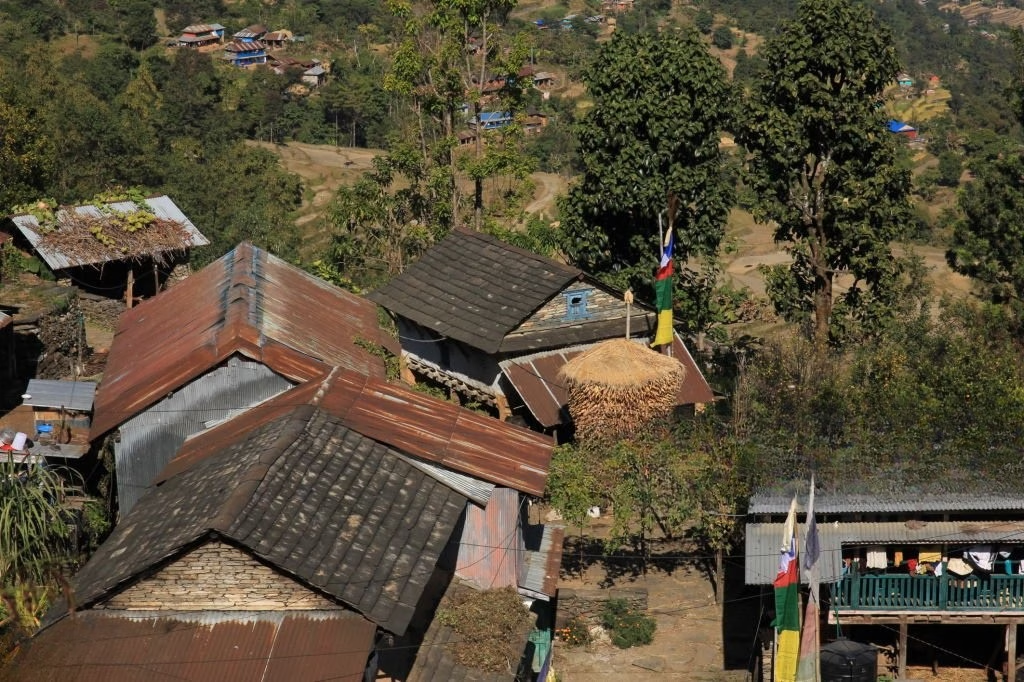
Most people know the Annapurna Circuit because of its tall snowy mountains, deep valleys, and exciting trails. But what makes it really special is not just the views, it’s the way the trek mixes adventure with food and culture.
As you walk from one village to another, you notice that the food changes. In lower areas, people grow rice, wheat, and fresh vegetables. In higher areas, the land is colder, so you find barley, potatoes, yak cheese, and Tibetan-style dishes. This means your plate is never the same for long, you are tasting the land as you walk through it.
Every meal is also a chance to connect with the people. Families running tea houses serve you meals cooked in their kitchens. Sometimes you eat by the fire, sometimes outside under prayer flags, but always with warmth and hospitality. Even a simple plate of dal bhat feels like it carries the story of the family who made it.
That is why the Annapurna Circuit is more than just a trek. It is not only about walking high trails, it is about eating local food, sharing stories with strangers, and learning how mountain life shapes every meal.
What Food Fuels Trekkers on the Annapurna Circuit?
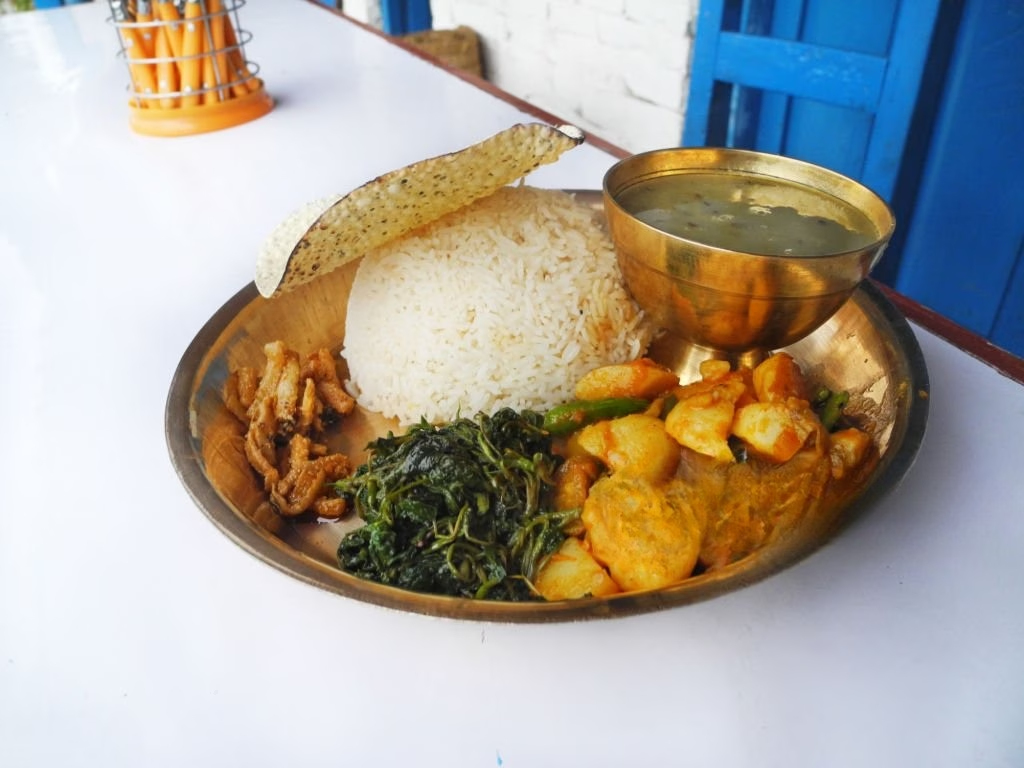
Dal Bhat – The Superpower Meal
Dal bhat means rice with lentil soup. You also get veggies and pickles. It gives trekkers lots of energy. In Nepal, people say: “Dal bhat power, 24 hours!”
Momos, Thukpa & Butter Tea
At higher places, you find Tibetan-style food. Momos are small dumplings filled with meat or veggies. Thukpa is hot noodle soup, perfect for cold nights. Butter tea is made with tea, yak butter, and salt. Some love it, some don’t!
Snacks and Surprises
In Manang, trekkers eat fresh apple pie. You may also find yak cheese, roasted corn, and pancakes. Simple but delicious!
Experiencing Himalayan Food Culture Firsthand
Eating in Tea Houses
On the trek, you sleep and eat in tea houses. These are small family hotels. The food is simple but fresh. Every meal feels like home-cooking. Sometimes the taste changes from one village to another, which makes it fun to try.
Fresh and Local Ingredients
Food on the trek comes from local farms. Potatoes, spinach, rice, and barley are common. What you eat depends on the season. Everything feels fresh, straight from the land.
Sharing Food with Locals
In Nepal, food is about family and friends. Trekkers often sit in kitchens, eat dal bhat with locals, and share stories. These moments stay in your heart forever.
How Food Helps Trekkers Stay Strong
When you walk high in the mountains, your body works extra hard. The air has less oxygen, so every step takes more energy. That’s why the food you eat on the Annapurna Circuit is so important, it keeps you strong, warm, and healthy.
Energy from Simple Foods
Meals like rice, noodles, and potatoes give your body quick energy. These are full of carbohydrates, which act like fuel for your muscles. Without enough of these foods, trekkers can feel weak, dizzy, or tired much faster.
Protein for Recovery
Lentils in dal bhat, eggs, and cheese from yaks or cows help your muscles recover after long days of walking. Protein is like the “builder” in your diet, it fixes small tears in muscles and keeps you going the next day.
Staying Hydrated
Water is just as important as food. At high altitude, your body loses water faster, even when you don’t notice. That’s why trekkers should drink at least 3 liters of safe water each day. Boiled, filtered, or treated water is best. Drinking hot tea or soup also helps keep you warm and hydrated.
Foods to Avoid
Alcohol, too much coffee, and fried or heavy foods can make you feel worse. They dry out your body or upset your stomach, which is dangerous when you’re already working hard at altitude. That’s why trekkers are told to skip beer or spicy fried snacks until after the trek.
Food as Part of Acclimatization
Eating the right meals helps your body adjust to the thin air. Small, regular meals with lots of carbs and warm drinks are the best way to stay strong. Even if you’re not very hungry, eating something light can stop headaches or tiredness from getting worse.
More Than Food – Adventure on the Annapurna Circuit
The Annapurna Circuit is not only about eating delicious local food. It is also full of adventure and amazing places that make the journey unforgettable. Every day feels different, you cross rivers, walk through forests, climb high passes, and step into villages where culture and nature live together.
Thorong La Pass – The Biggest Test
At 5,416 meters, Thorong La Pass is the hardest part of the trek. The air is thin, the climb is steep, and it can feel like every step takes extra effort. Many trekkers wake up before sunrise to cross the pass while the weather is calm. Even though it’s tough, reaching the top feels like a victory. From there, you see snowy peaks stretching as far as your eyes can go. It’s a view you’ll never forget.
Villages Like Manang and Pisang
Not every highlight is about climbing high. The villages you pass are just as special. Manang is a favorite stop for trekkers to rest and acclimatize. It’s also famous for its apple orchards, imagine eating fresh apple pie in the middle of the Himalayas! Pisang, on the other hand, gives some of the best views of Annapurna II, with its giant snowy slopes shining in the sun. Each village has its own personality, food, and stories.
Temples and Monasteries
Along the trek, you also find Hindu temples, Buddhist monasteries, and colorful prayer flags fluttering in the wind. These places show the deep faith of the people living in the mountains. Sometimes, while eating dal bhat or sipping butter tea, you hear the sound of monks chanting nearby. Food and faith come together here, making the trek not just about walking or eating, but also about understanding the spirit of the Himalayas.
Practical Tips for Food-Loving Trekkers
Budgeting for Meals on the Trail
- Lower villages: Dal bhat costs about $3–4 per plate.
- Higher villages: Prices rise to $6–7 per plate.
- Hot drinks, snacks, and bottled water cost more at higher altitudes.
- Safe estimate: Budget $25–30 per day for food and drinks.
Vegetarian and Vegan-Friendly Options
- Tea houses serve plenty of veggie meals: dal bhat, noodle soups, curries, fried rice, potatoes.
- Many trekkers eat vegetarian food to avoid stomach problems at altitude.
- Vegans can ask to skip ghee (butter) or cheese, simple plant-based dishes are common.
- Fresh vegetables are more common in lower villages; higher up, food gets simpler but filling.
Hygiene & Safe Eating Practices in Remote Areas
- Eat freshly cooked food, avoid raw salads.
- Drink only boiled, filtered, or treated water (carry purification tablets).
- Bring a reusable water bottle to reduce plastic waste.
- Wash your hands or use sanitizer before every meal.
- Avoid alcohol and too much fried food, they can upset your stomach.
The Annapurna Circuit is not just about mountains. It’s about food, people, and culture. Every plate of dal bhat, every momo, and every cup of tea tells the story of Nepal.
If you want an adventure that fills both your stomach and your soul, the Annapurna Circuit is waiting. And if you love exploring traditional food from different parts of the world, Nepal’s Himalayan cuisine will add a new and exciting chapter to your foodie journey. Ready to taste the Himalayas and trek one of the world’s most famous routes?