I love breaking bread with my friends and a great food trip can lose its magic when every meal is planned for the same kind of eater. The buzziest restaurant in town might thrill the adventurous person in the group, but it may not suit someone who wants a quieter room, a familiar dish, or a little more time at the table.
Good food plans leave a little room for everyone at the table: the hungry one, the cautious one, the tired one, and the person who wants to linger over every bite. When the meals fit the group, they feel less like scheduled stops and more like the moments people talk about later.
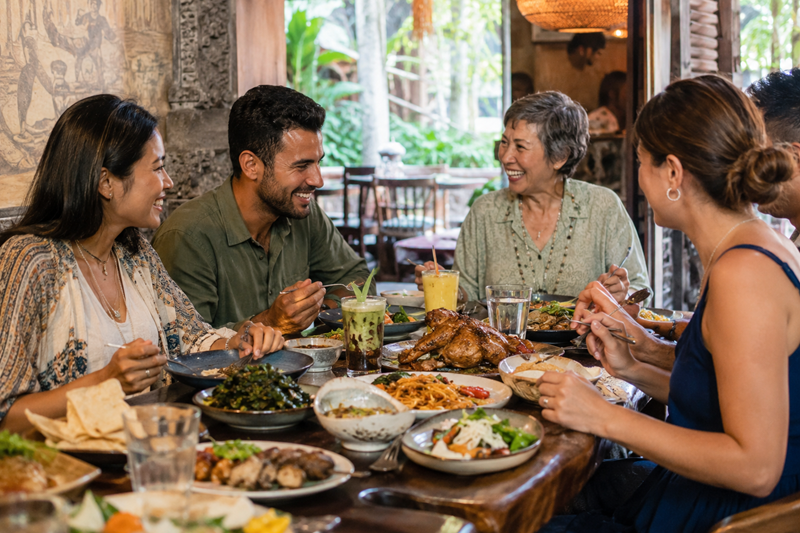
Start With the People at the Table
Before picking restaurants, think about who will be sitting down to eat. One traveler might love a packed local spot with no reservations and a handwritten menu. Another might be happiest with a comfortable chair, a clear list of options, and service that does not feel rushed.
Group food trips run more smoothly when those needs are considered early. That could mean checking menus before booking, choosing neighborhoods with several casual options nearby, or pairing adventurous meals with simple backup choices.
Planning around different appetites keeps the trip easy without making it any less exciting. It gives everyone a better chance to settle in, order with confidence, and enjoy their meal.
Build the Trip Around One Strong Food Moment Per Day
It’s easy to overload a schedule with restaurant bookings, bakery stops, street snacks, and late-night bites. On paper, that sounds like a dream. In practice, it can make meals feel like errands.
A better rhythm is to choose one main meal each day and keep the rest of the schedule flexible. That might be a long lunch, a market crawl, a dinner reservation, or a casual local spot the group has been excited to try. Building a food itinerary with intention gives the day enough structure to feel planned, while still leaving room for whatever looks good along the way.
Leave room around that main meal for coffee, gelato, fruit from a market, or a snack someone notices while wandering. Some of the best food memories happen between the reservations.
Mix Local Flavor With Easy Wins
Every food trip needs a bit of balance. The group might be eager for smoky street skewers, regional seafood, spicy noodles, or a tasting menu, but that does not mean every meal has to test everyone’s limits.
Plan a few stops around dishes that feel local without being intimidating. A roast chicken shop, a busy bakery, a noodle counter, a family-run café, or a casual seafood restaurant can still give travelers a real sense of place. These choices are especially useful on arrival days, after long walks, or when the group needs something familiar enough to feel easy.
The aim is not to flatten the experience. It’s to give bold eaters something to look forward to while making sure everyone else has room to breathe.
Choose Restaurants With Flexibility
A flexible restaurant can rescue a day that’s starting to feel complicated. Look for menus with a range of textures, portion sizes, and cooking styles, especially when the group includes different ages, appetites, or comfort levels.
Places with soups, grilled dishes, rice bowls, pasta, vegetables, seafood, or shareable plates tend to work well because people can shape the meal around what suits them. Staff who can explain ingredients or adjust spice levels can make a big difference in a new city, where even a simple menu can feel unfamiliar.
The best choice is often a restaurant with enough personality to feel memorable and enough range to keep the whole table comfortable.
Make Texture and Pace Part of the Plan
A good food stop should feel comfortable for the people eating there, not just impressive from the outside. Texture, portion size, and pace can shape the meal as much as flavor, especially when the group includes older relatives or someone who needs food that’s easier to chew and swallow.
Look for dishes that still feel local and satisfying without being difficult to manage. Slow-braised meats, soups, stews, soft rice dishes, noodles, dumplings, flaky fish, and custards can all carry plenty of character. Calm rooms, clear menu explanations, and patient service can make those meals feel thoughtful rather than limiting.
For families who have seen how quickly a difficult meal can become stressful for an aging loved one, mealtime awareness shaped by issues like nursing home choking accidents can make texture, timing, and restaurant pace feel like practical parts of planning rather than small details.
The point is not to make every meal cautious. It’s to build in enough care that the whole group can enjoy the food, the conversation, and the place they came to experience.
Think About Noise, Seating, and Timing
A restaurant can serve excellent food and still be the wrong choice for the group. Loud rooms, cramped tables, long waits, steep stairs, and late reservations can wear people down before the first dish arrives.
Timing matters more than many travelers expect. A popular dinner spot might be easier at lunch, while a busy market may be more pleasant earlier in the day before the crowds build. If the group includes older relatives, young kids, or anyone who tires easily, a well-timed meal can be the difference between a relaxed outing and a rushed one.
Look for places with comfortable seating, enough space between tables, clear service, and a pace that lets people settle in. The setting should support the food, not compete with it.
Use Markets, Cafés, and Food Halls Strategically
Markets and food halls are useful when the group wants one shared outing without committing to the same meal. One person can try grilled seafood, another can grab dumplings, and someone else can choose soup, fruit, bread, or a simple plate that feels right after a long day.
They also give travelers more control over timing and portions. Instead of sitting through a long dinner service, the group can move at its own pace, choose a comfortable spot, and order what sounds good in the moment.
For international trips, it helps to be thoughtful about food and water precautions for travelers, especially when eating at markets, street stalls, and casual food stops where ingredients, preparation, and water sources may vary.
A food trip works best when the plan leaves room for real people, real appetites, and real energy levels. The meals people remember most are often the ones where everyone feels comfortable enough to enjoy what’s in front of them.
Choose food stops with flavor, flexibility, and timing in mind, and the trip will feel easier from the first bite to the last meal of the day.