For a traveling foodie, Toronto is one of the most exciting eating cities in North America. In one afternoon you can graze through Kensington Market and sample Cantonese classics in Chinatown. A Portuguese custard tart in Little Portugal makes a fine finish. What makes it all work is freshness. The ingredients that define a great Toronto meal have to be kept cold, safe, and ready from delivery to plate.
That freshness is not an accident. Behind every crisp salad and perfectly seared fish is unglamorous hardware doing quiet, constant work. Suppliers of Toronto Commercial Refrigeration equip the walk-in coolers, prep tables, and display cases that keep a kitchen running through a busy service. As a diner you never see it, but you taste the results in every bite.
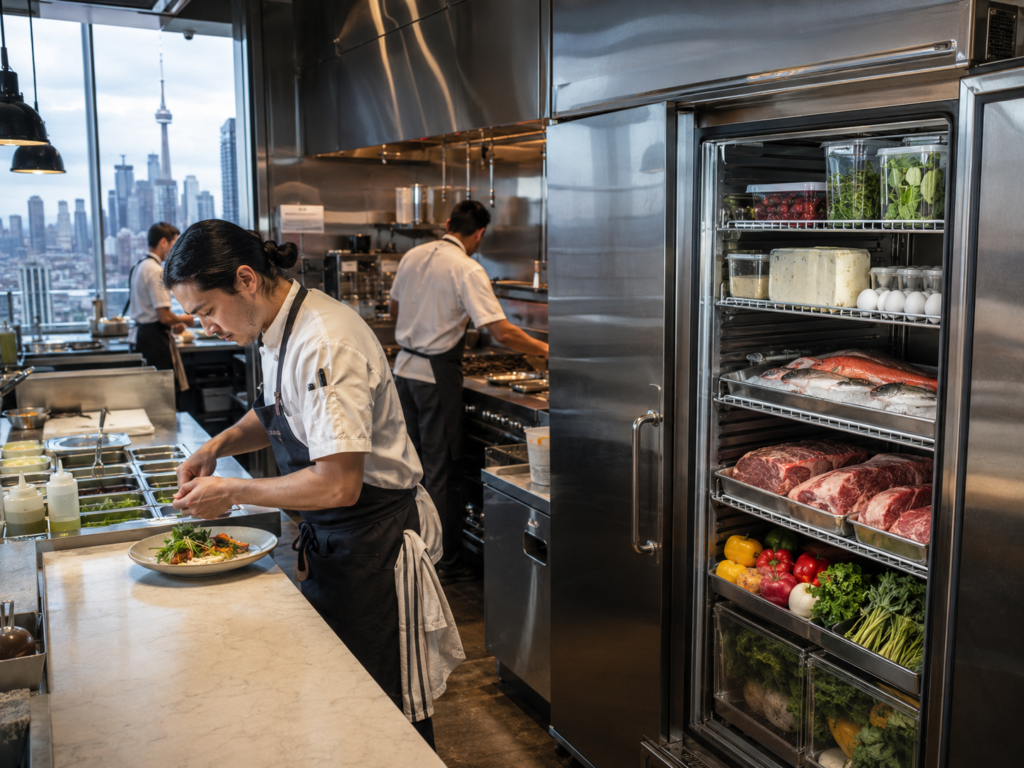
What Keeps Restaurant Food So Fresh?
Cold storage, mostly. Temperature is the whole game.
The single biggest factor in food quality is temperature. Ingredients must stay out of the danger zone, roughly 40°F to 140°F, where bacteria multiply fastest. A restaurant walk-in keeps produce, dairy, and proteins steady at or below 40°F, even as the door opens hundreds of times a day. Home fridges cannot do that. Commercial units are built for relentless use, which is why the food you eat out often tastes fresher than what you cook at home.
The point is control. Steady cold is what protects flavor.
Why Does This Matter for Travelers?
Because you are trusting the kitchen. Freshness is safety too.
When you eat your way through a new city, you are putting a lot of faith in strangers’ refrigerators. A well-run kitchen with reliable cold storage is far less likely to serve you something that spoils your trip. That is one reason busy, high-turnover restaurants are often a safe bet: fast rotation plus proper refrigeration means ingredients rarely sit long enough to go off.
The rule is trust. Good kitchens earn it with good habits.
How Do Great Kitchens Manage the Cold Chain?
Carefully, at every step. Nothing is left to chance.
The cold chain starts the moment a delivery truck arrives and never really stops. Staff move perishables into refrigeration within minutes, label everything with dates, and follow first-in, first-out rotation. Prep tables with built-in cold wells keep ingredients chilled right at the line during service. A single weak link, like a cooler that drifts a few degrees warm overnight, can cost a restaurant thousands in wasted stock.
The point is consistency. The chain is only as strong as its weakest hour.
Does the Equipment Really Make a Difference?
Enormously. Reliability is everything.
A commercial fridge that fails on a Friday night can shut down service and ruin a weekend of business. That is why serious kitchens invest in equipment built to run 24 hours a day, 7 days a week, for years. Beyond reliability, modern units are far more energy efficient than models from even 10 years ago, which matters when a kitchen runs compressors around the clock. Better gear means lower bills and fewer emergencies.
The rule is durability. Pro kitchens buy for the long haul.
What Can Home Cooks Learn From It?
A surprising amount. The principles scale down.
You do not need a walk-in to eat like a Toronto chef at home. Keep your fridge at or below 40°F, avoid overpacking it so air can circulate, and store raw proteins on the bottom shelf. Rotate older items to the front so nothing gets forgotten. These are the same habits a professional kitchen lives by, just on a smaller scale.
The point is discipline. Small routines protect big flavor.
Bringing a Foodie City to Life
- Toronto’s food scene spans dozens of cuisines within walking distance.
- Freshness depends on keeping food out of the 40°F to 140°F danger zone.
- Commercial refrigeration holds steady cold through constant use.
- High-turnover restaurants pair fast rotation with proper cold storage.
- Modern units run around the clock and use far less energy.
- Home cooks can borrow the same simple cold-storage habits.
The Quiet Backbone of a Great Meal
The next time a Toronto meal genuinely wows you, remember that talent is only part of the story. Behind the chef stands a network of coolers, freezers, and prep stations doing their job flawlessly, hour after hour. That equipment rarely gets a mention, yet it is what lets fresh ingredients shine on the plate. For a traveling foodie, understanding the cold chain is a small window into how great food cities actually work, one perfectly chilled ingredient at a time.
Frequently Asked Questions
Is Street Food Safe for Travelers In Big Cities?
Often yes, especially at busy stalls with high turnover. Fast-moving vendors buy and sell ingredients quickly, so food spends less time unrefrigerated. Look for stalls with a steady line of locals, clean prep surfaces, and hot food served hot. Trust your senses, and when something looks like it has been sitting out in the heat, move on to the next spot.
How Can I Tell if a Restaurant Handles Food Properly?
Watch for a few good signs. A clean dining room usually reflects a clean kitchen, and a busy restaurant rotates stock quickly. Well-run spots serve cold dishes properly chilled and hot dishes properly hot, never lukewarm. If you can glimpse the kitchen, tidy prep areas and organized coolers are reassuring signals that the team takes food safety seriously.
Why Does Restaurant Food Often Taste Fresher Than Home Cooking?
A big reason is storage and turnover. Commercial refrigeration holds ingredients at steady, safe temperatures, and restaurants use their stock quickly, so produce and proteins rarely sit for days. Chefs also shop more often and in smaller batches. Combine fresh sourcing with cold storage built for heavy use, and the raw ingredients simply arrive on your plate in better shape.
What Should I Look for On a Food-Focused Trip?
Seek out markets, neighborhoods, and restaurants where locals actually eat. Aim for variety across a few days rather than one big blowout meal, and balance famous spots with small, busy, unpretentious kitchens. Ask people who live there for recommendations. The best food travel blends planning with spontaneity, leaving room to follow a great smell down an unfamiliar street.